

If you’re investing in collaborative automation, one component quietly determines your success: the cobot gripper. It’s the “hand” of your robot—the part that actually interacts with your product. Choose the wrong one, and efficiency drops. Choose the right one… and everything clicks into place—speed, precision, and ROI.

A cobot gripper is an end-of-arm tooling (EOAT) device mounted on a collaborative robot (cobot), designed to grasp, hold, and manipulate objects safely alongside human workers.
Unlike traditional industrial grippers, cobot grippers are engineered with safety, adaptability, and ease of integration in mind. They typically feature:
Think of it this way: your cobot is the brain and arm—but the gripper is where value is created.
In real-world procurement scenarios, buyers often underestimate this. One European packaging company switched from rigid mechanical grippers to adaptive electric ones and saw a 28% reduction in product damage within three months. Same robot—just a smarter “hand.”
Choosing among different types of robotic grippers is less about “which is best” and more about “which fits your application.”
Hydraulic grippers rely on pressurized fluid to generate extremely high gripping force.
They shine in heavy-duty environments—metal fabrication, automotive assembly, or construction material handling. If you’re moving large steel components, this is your category.
However… they’re bulky, require maintenance, and aren’t ideal for collaborative environments where safety and cleanliness matter.

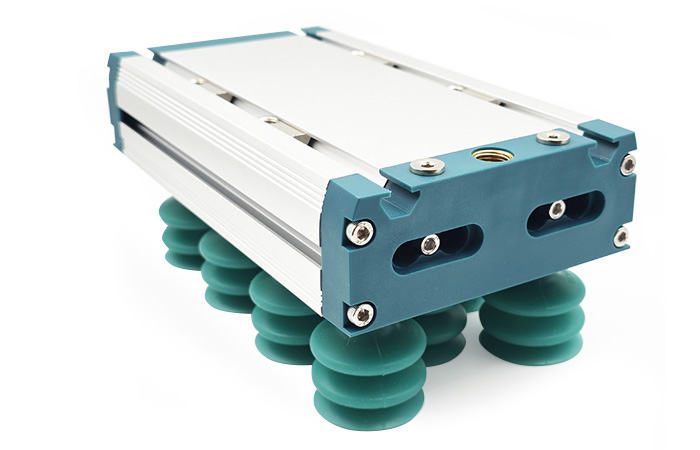
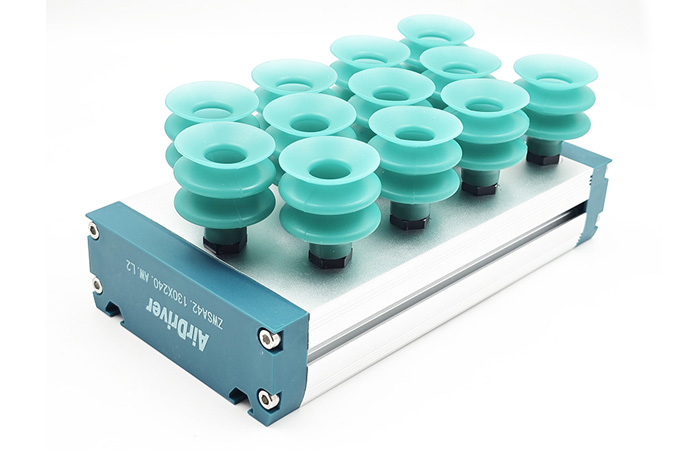
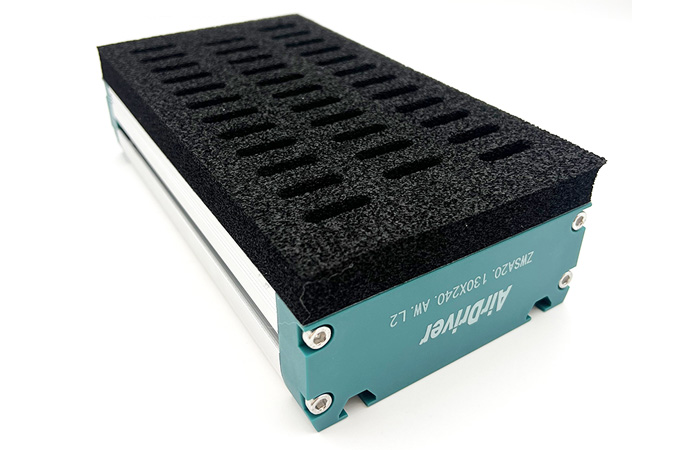
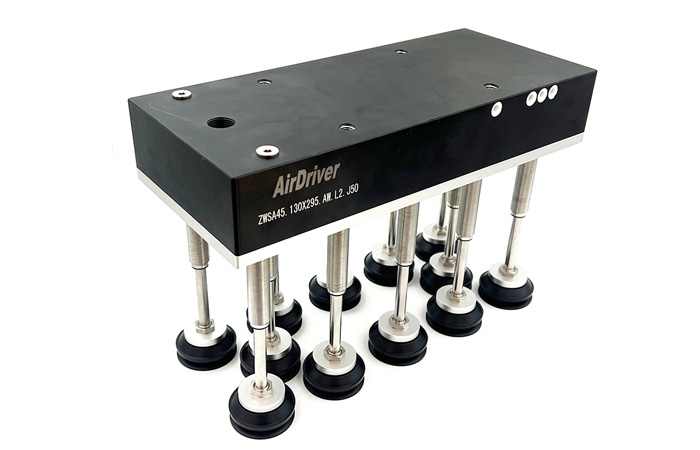
Vacuum grippers use suction cups and negative pressure to lift objects.
They’re a go-to solution for:
What makes them appealing is simplicity and speed. You don’t “grab”—you attach. That’s why they dominate pick-and-place applications.
A U.S.-based e-commerce warehouse integrated vacuum-based cobot grippers for carton handling and increased throughput by 35% without adding labor.
Pneumatic grippers operate using compressed air.
They’re:
But they come with trade-offs—limited force control and dependency on air systems.
If your facility already has compressed air infrastructure, these are often the most economical entry point into automation.
Servo-electric grippers use motors and encoders to provide precise control.
They’re ideal when you need:
In electronics manufacturing or medical assembly, precision is everything. These grippers let you “dial in” performance instead of relying on fixed force.
Yes—they cost more upfront. But over time, reduced waste and higher consistency often justify the investment.
Soft grippers are made from flexible materials like silicone or rubber.
They’re designed for:
Imagine picking up a ripe tomato or delicate circuit board—this is where soft grippers excel.
Magnetic grippers use magnetic fields to lift ferrous materials.
They’re extremely efficient in:
But they’re limited to metal—so their application scope is narrow but powerful.
Adaptive grippers automatically conform to different shapes.
They reduce the need for:
For procurement teams managing high SKU variability, this flexibility can significantly lower operational complexity.
These use granular material (like sand) inside a flexible membrane.
When vacuum is applied, the material stiffens—locking onto the object.
They’re surprisingly versatile… but still emerging in mainstream industrial adoption.
Traditional mechanical grippers use jaws or fingers.
They’re:
From simple pick-and-place to complex assembly, they remain a staple in automation systems.
| Gripper Type | Strength Level | Precision | Best For | Cost Level | Maintenance |
|---|---|---|---|---|---|
| Hydraulic | Very High | Medium | Heavy industrial tasks | High | High |
| Vacuum | Medium | High | Packaging, flat surfaces | Medium | Low |
| Pneumatic | Medium | Medium | General automation | Low | Medium |
| Servo-Electric | High | Very High | Precision assembly | High | Low |
| Soft | Low | High | Fragile items | Medium | Low |
| Adaptive | Medium | High | Variable product lines | Medium | Low |
Let’s be practical—you’re not buying a gripper, you’re buying performance.
Rigid? Fragile? Porous? Slippery?
Your product dictates your technology.
Too little force = dropped products
Too much force = damaged goods
Precision control (like in servo-electric models) becomes critical when margins are tight.
High-mix production environments demand adaptability.
If your SKU list changes weekly, adaptive or electric grippers save you from constant reconfiguration.
Cycle time directly impacts ROI.
Pneumatic and vacuum systems tend to outperform in high-speed applications—but may sacrifice control.
Dust, humidity, oil, temperature…
These factors quietly destroy the wrong gripper choice.
This is non-negotiable.
Ensure compliance with:
These define safe human-robot collaboration.
Before deployment, you should conduct a structured risk assessment.
Focus areas include:
A mid-sized automotive supplier once overlooked grip failure scenarios—resulting in repeated part drops and production delays. After integrating force sensors and redundancy checks, downtime decreased by 19%.
Choosing the right cobot gripper isn’t just a technical decision—it’s a strategic one. The wrong choice leads to inefficiencies, product damage, and safety risks. The right one unlocks scalability, consistency, and measurable ROI.
If you’re sourcing for your next automation project, take a step back and evaluate your real needs—material, speed, environment, and safety. That’s where experienced manufacturers like AirDriver come in. With tailored collaborative robot grippers designed for diverse industries, you can move from trial-and-error to precision-driven performance.
Ready to optimize your automation line? Reach out to AirDriver and find the gripper that actually fits your application—not just your budget.

How do I maintain and care for my cobot gripper?
Regular inspection, lubrication (if required), and sensor calibration ensure long-term performance.
Can cobot grippers be used in harsh environments?
Yes, but you must select models designed for dust, moisture, or extreme temperatures.
How do I ensure my cobot gripper is safe for workers?
Choose grippers compliant with ISO safety standards and integrate force-limiting features.
How do soft grippers benefit delicate handling tasks?
They reduce pressure points and conform to object shapes, minimizing damage.
What are the cost differences between cobot gripper types?
Pneumatic is generally cheapest; servo-electric is more expensive but offers higher precision.
What are the benefits of using cobot grippers in automation?
Improved efficiency, reduced labor costs, and consistent quality.
What are the risks of using cobot grippers in manufacturing?
Improper selection can lead to safety hazards, product damage, and downtime.
How can I optimize my cobot gripper for increased efficiency?
Use data feedback systems, optimize cycle times, and match the gripper to the task precisely.
Are vacuum grippers suitable for all materials?
No, they work best on smooth, non-porous surfaces.
Can one gripper handle multiple products?
Yes—adaptive or flexible grippers are designed for multi-product handling.