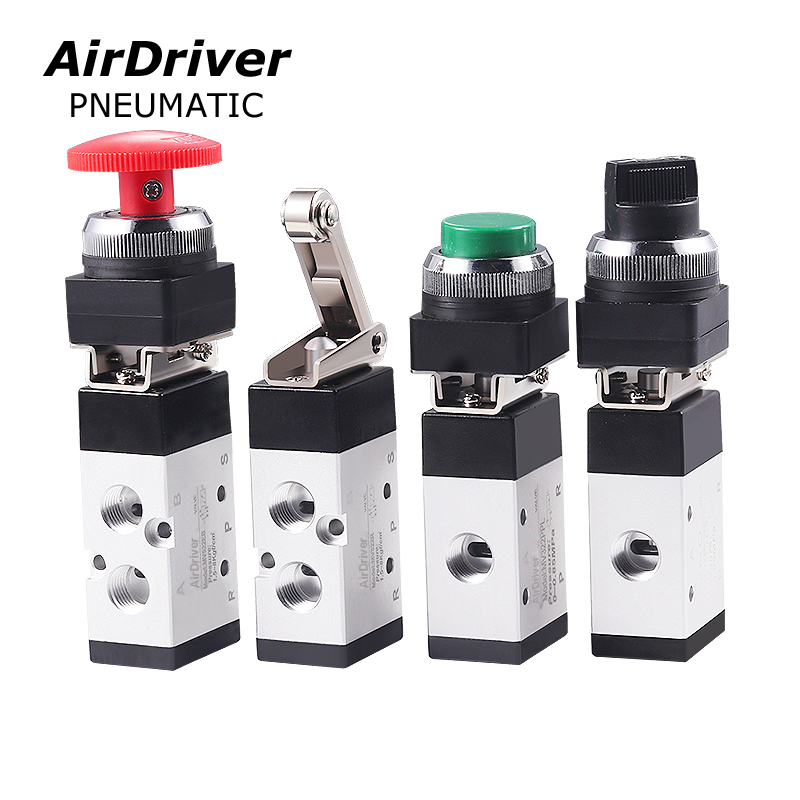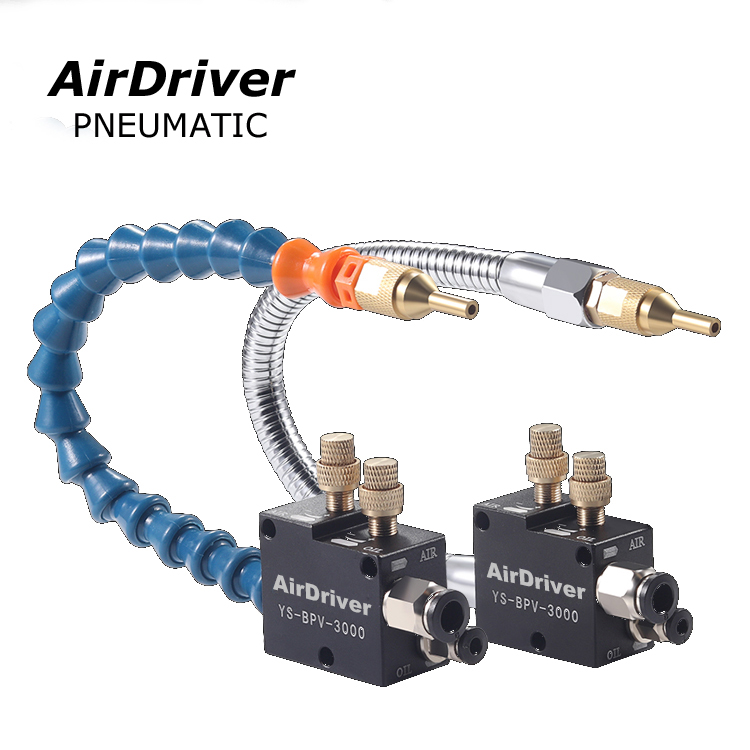
Pneumatic valves control the direction, pressure, and flow rate of compressed air in a pneumatic system. They act as the system’s control points, routing air to actuators such as cylinders or pneumatic motors to perform movements like lifting, pushing, and rotating. Common categories include directional control valves, flow control valves, and pressure relief valves.
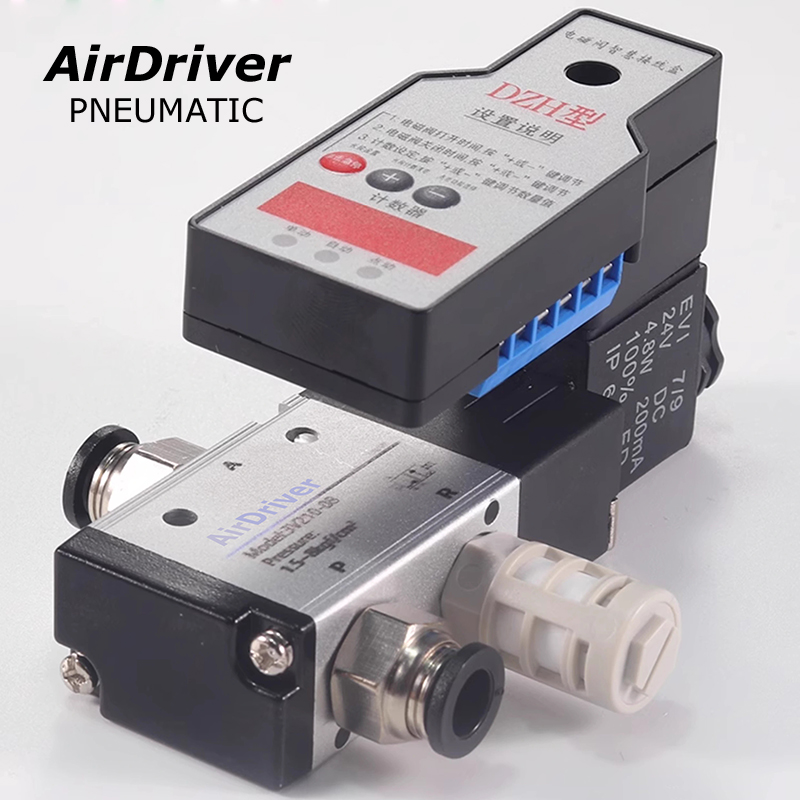
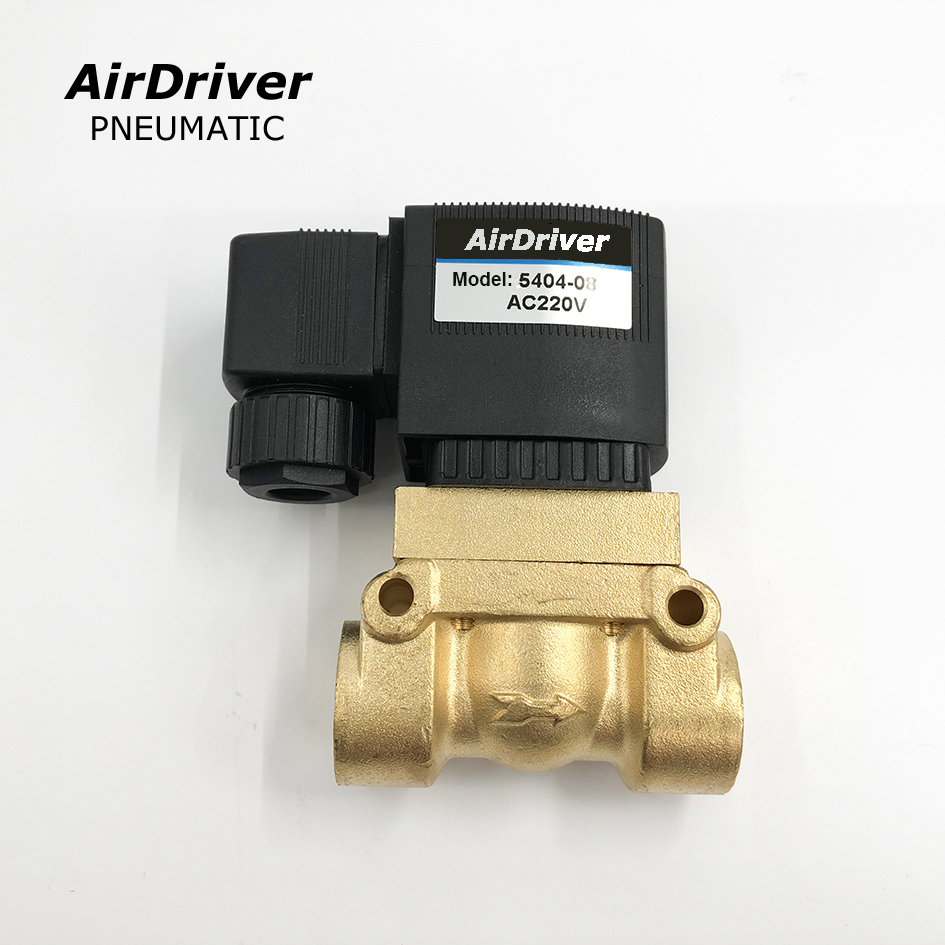
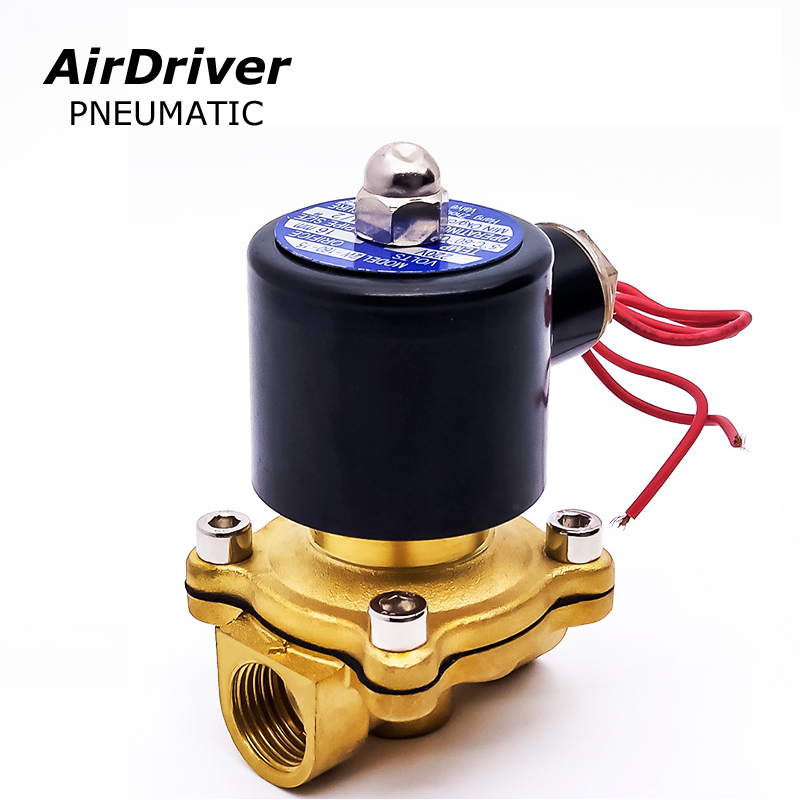
Among them, solenoid valves are electromechanical pneumatic valves that use an electromagnetic coil to shift an internal plunger or spool, allowing fast, precise air control based on electrical commands from automation systems.
Solenoid valves are widely used because they make pneumatic circuits easy to automate and highly responsive.
They provide directional control by switching airflow paths through common port configurations (2-way, 3-way, 5-way), enabling actuator extension and retraction in milliseconds. They also support on/off control and flow regulation: normally closed (NC) or normally open (NO) designs isolate or supply air by default, while proportional valves adjust flow continuously based on signal input.
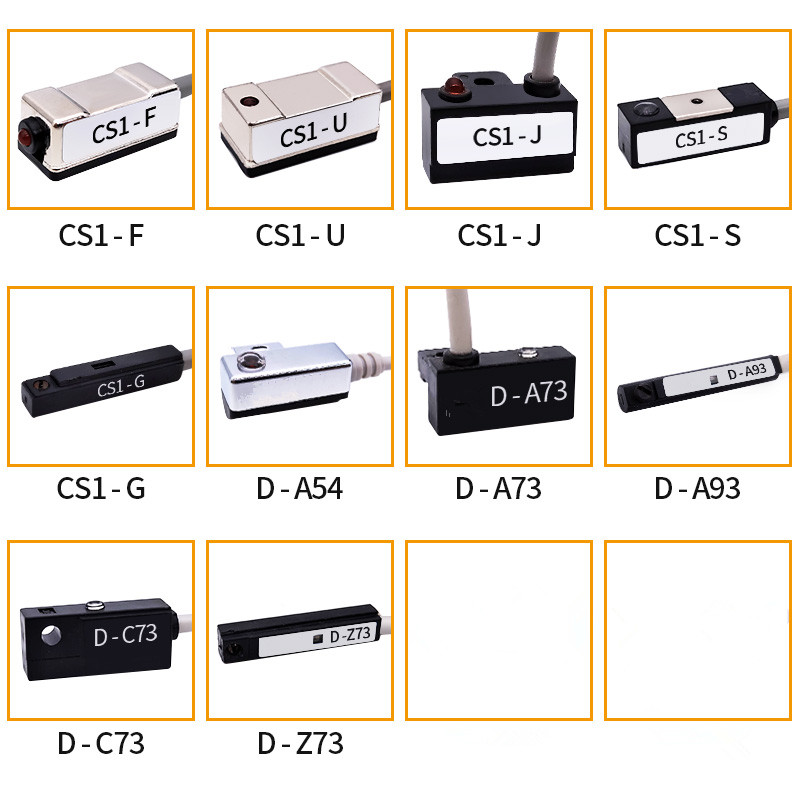
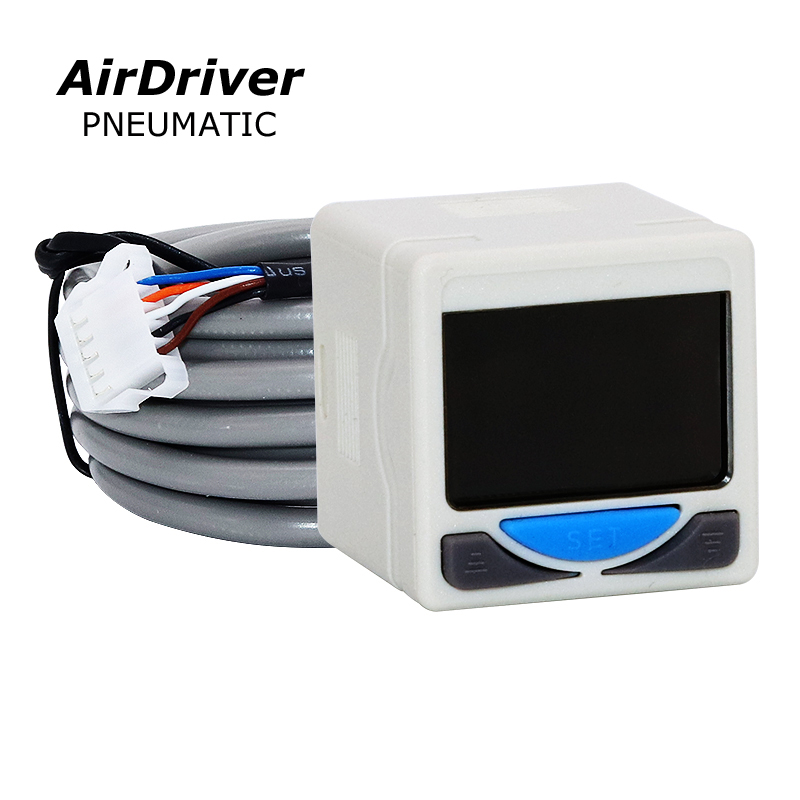
Most importantly, solenoid valves connect directly to PLCs, sensors, and timers, allowing complex automated sequences and real-time optimisation, supporting modern smart manufacturing practices.
Solenoid valves offer high durability (often millions of cycles), energy-efficient operation, compact manifold-friendly installation, and strong safety options such as fail-safe return positions and explosion-proof models for hazardous areas. They typically require low maintenance and reduce downtime by improving control accuracy and limiting leakage.
They are used across manufacturing automation, medical and pharmaceutical equipment, food and beverage processing, HVAC systems, and transportation controls such as braking and suspension.
When selecting a solenoid valve, key considerations include port size, voltage (AC/DC), media compatibility, environmental protection ratings (e.g., IP65), flow capacity (Cv), response time, and certifications such as CE or UL. Pairing with proper air preparation components helps maintain clean, stable air supply for reliable performance.