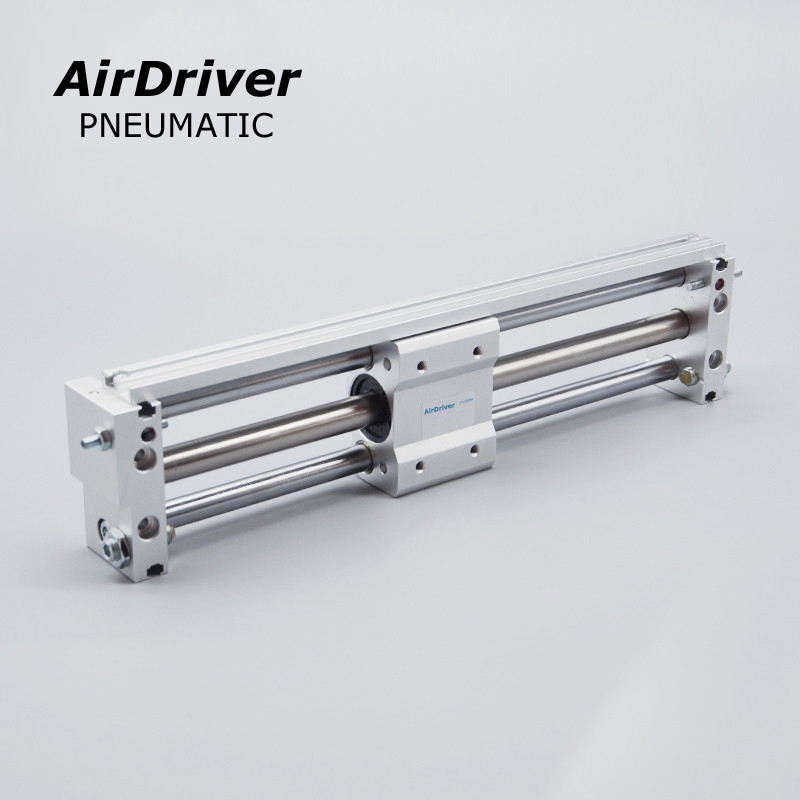
Pneumatic cylinders (air cylinders) convert compressed air into mechanical motion. A typical cylinder includes a barrel, piston, rod, end caps, and seals to maintain pressure. When air enters one side, it drives the piston to extend or retract the rod and perform work.
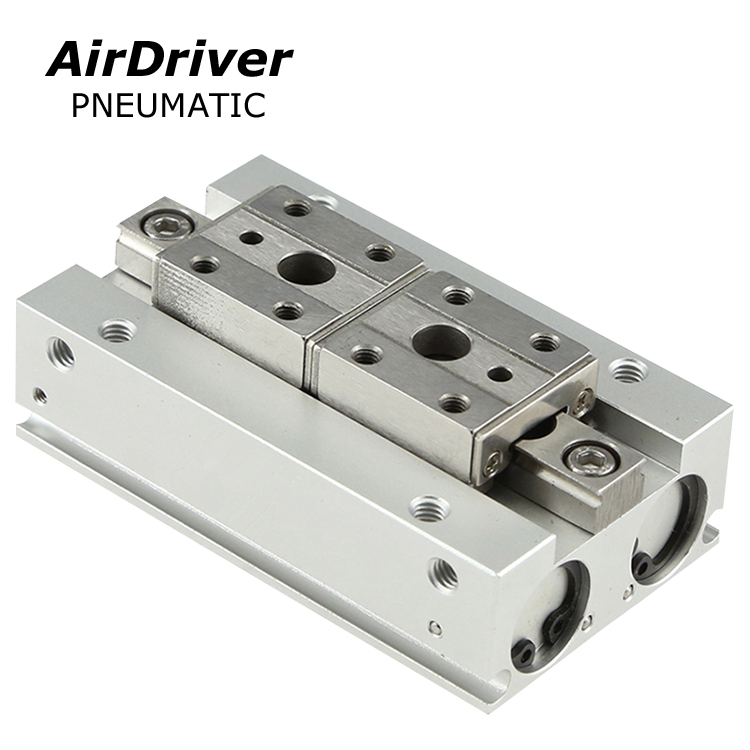
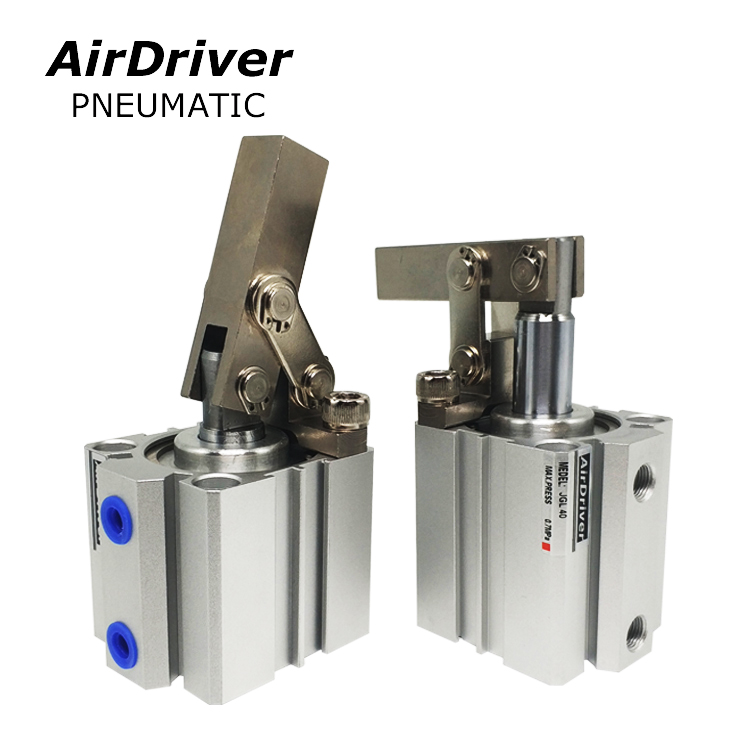
They come in multiple types, including single-acting, double-acting, rodless, rotary, and gripper cylinders. In automation systems, cylinders often serve as direct actuators in production lines, working with solenoid valves and air preparation units to deliver stable, controlled movement.
Pneumatic cylinders support three main motion tasks in automated equipment.
First, they provide precise linear extension and retraction for pushing, pulling, positioning, and ejecting parts. Double-acting designs alternate air pressure between chambers, and cushioning options reduce impact and noise.
Second, rotary cylinders generate angular movement using rack-and-pinion or vane mechanisms, commonly delivering 90° to 360° rotation for flipping, orienting, or indexing operations.
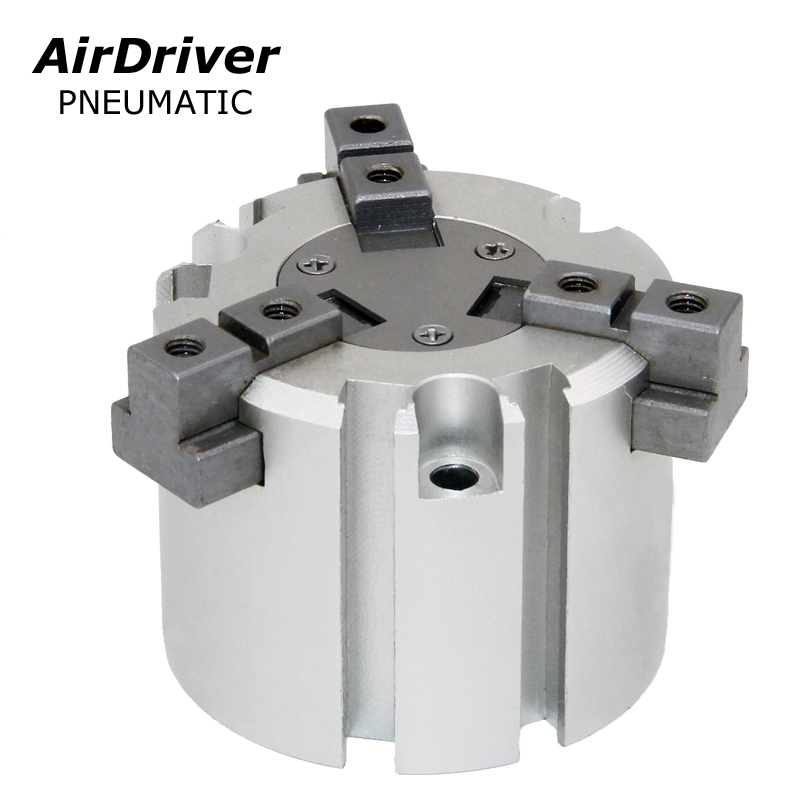
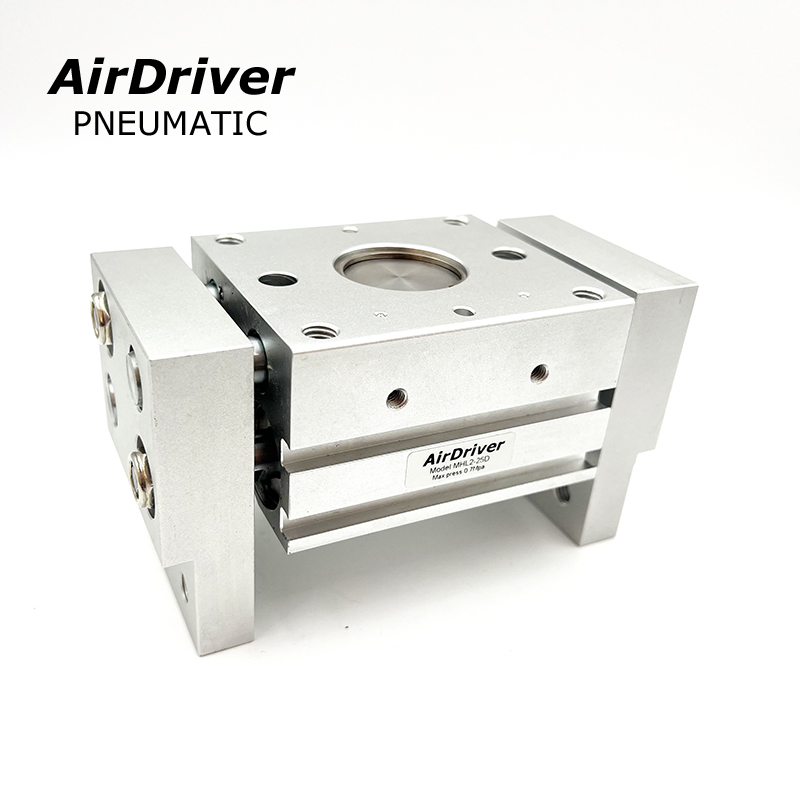
Third, pneumatic gripper cylinders enable secure handling through parallel or angular jaws, with adjustable grip force and speed. Sensor feedback can confirm grip status, improving pick-and-place reliability and throughput.
Pneumatic cylinders are popular in automation because they are fast, responsive, cost-effective, and simple to maintain. They are also reliable and safer in hazardous environments since they do not generate sparks and can tolerate overloads through pressure control. Modular options such as magnetic pistons, guides, and flexible mounting styles allow easy customisation.
They are widely used in manufacturing, packaging, robotics, medical/pharma, and heavy-duty outdoor equipment. To choose the right cylinder, evaluate required force (bore size and pressure), stroke length, speed, mounting method, and environmental conditions such as corrosion or temperature. For optimal performance, ensure proper integration with air preparation components and solenoid valve control.