Vacuum gripping is a key handling method in industrial automation, enabling non-contact, damage-free manipulation of products with different shapes, surfaces, and weights. It is widely used in production lines, robotic systems, and material handling applications to improve efficiency and reduce product loss.
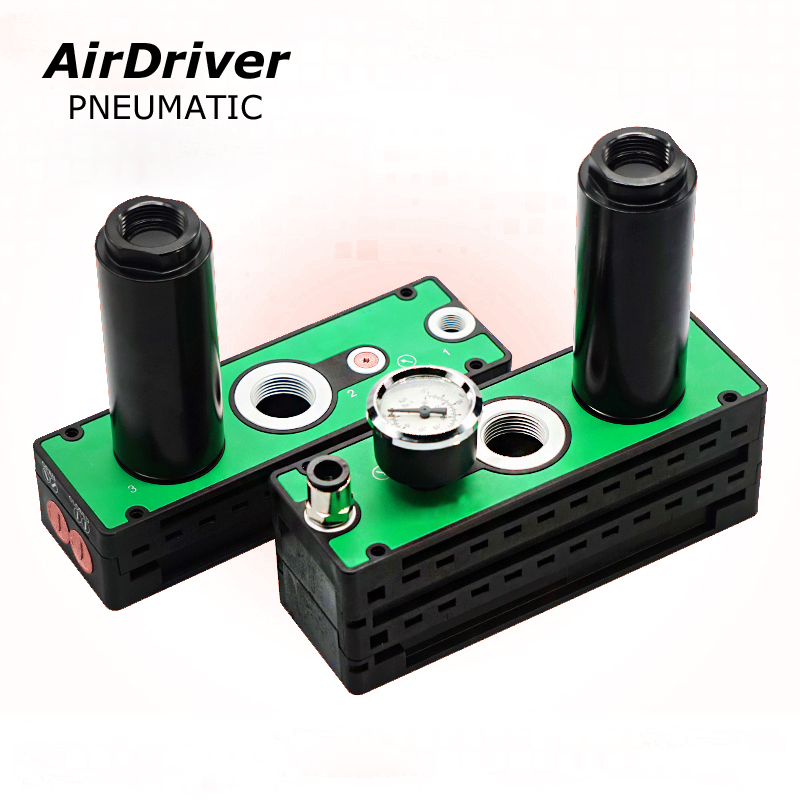
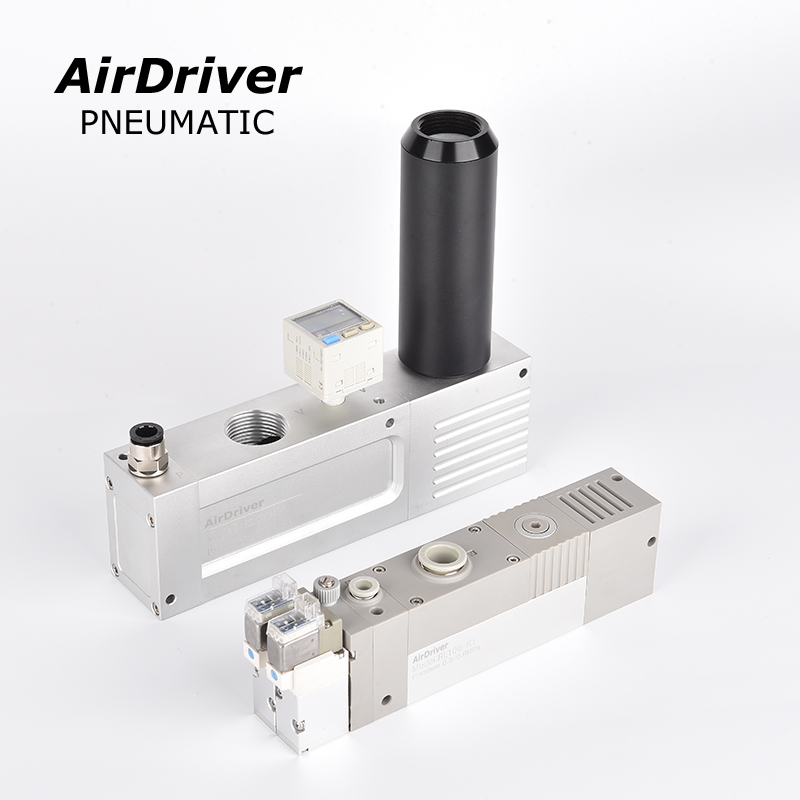
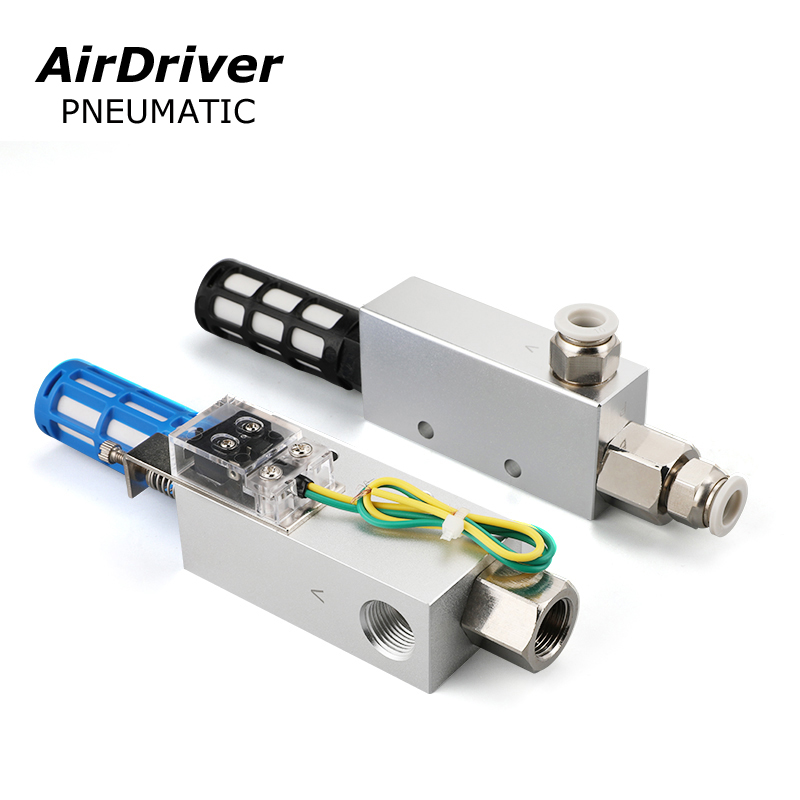
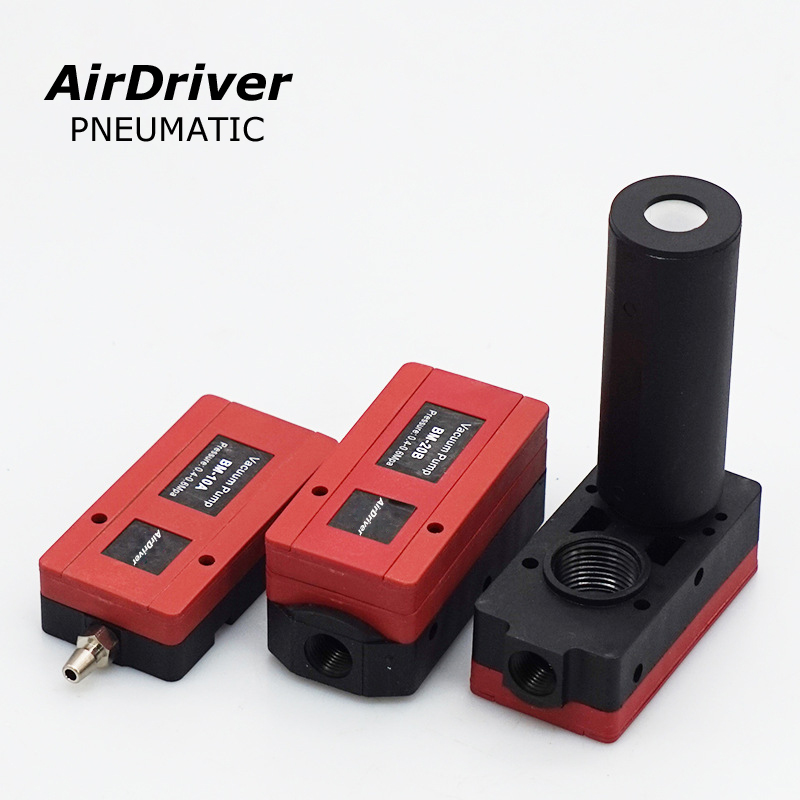
A typical vacuum gripping system consists of three core elements: vacuum generators that provide fast and stable suction, suction cups designed for different surface conditions, and integrated end-of-arm grippers that combine multiple components for robotic use. When combined with pneumatic cylinders and control components, these systems offer precise motion control and reliable performance, even in collaborative robot applications.
Different products require different vacuum gripping strategies to ensure safe and efficient handling.
Porous and lightweight items such as cardboard boxes and textiles are best handled with multi-point or foam suction cups paired with high-flow vacuum generators to compensate for air leakage. Heavy and rough materials like wooden pallets require large-diameter foam cups and multi-stage vacuum generators to achieve deeper vacuum levels.
Smooth or delicate products such as metal parts, glass sheets, plastics, and electronic components benefit from flat or bellows-type suction cups made from silicone or polyurethane, often combined with controlled vacuum levels to prevent surface damage. For food and hygienic applications, FDA-approved silicone suction cups and hygienic vacuum components ensure safe and contamination-free handling. These modular combinations allow vacuum systems to adapt to a wide range of real-world automation projects.
Customized vacuum gripping schemes improve system flexibility, operational safety, and overall productivity. Modular designs allow easy adaptation to new products without redesigning the entire system, extending equipment life and reducing investment costs.
By integrating sensors and control elements, vacuum grippers provide real-time monitoring to prevent drops and handling errors, especially in collaborative and high-speed environments. When properly selected based on product weight, surface condition, and cycle time requirements, vacuum gripping solutions deliver stable performance, lower energy consumption, and reduced downtime, making them an effective and scalable choice for modern automation systems.