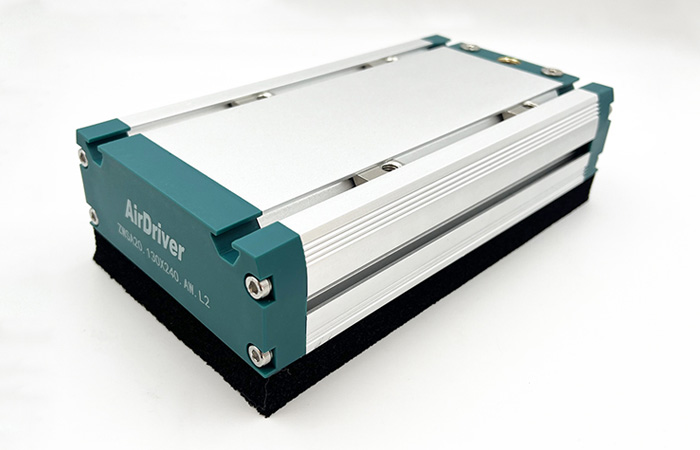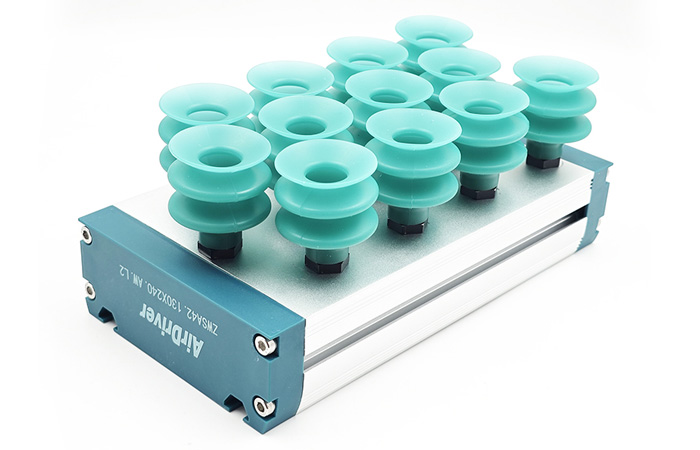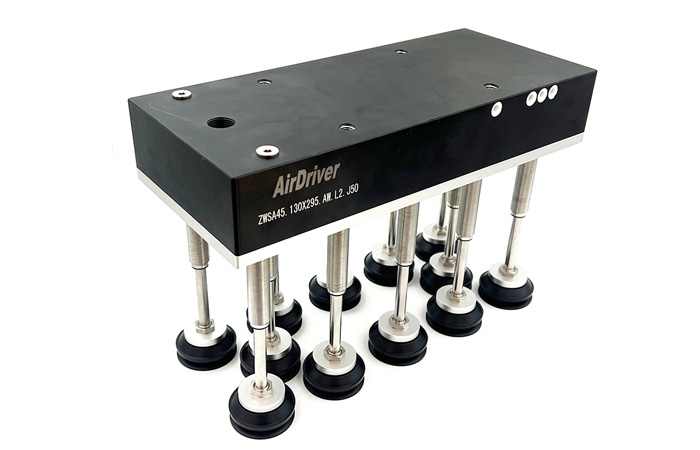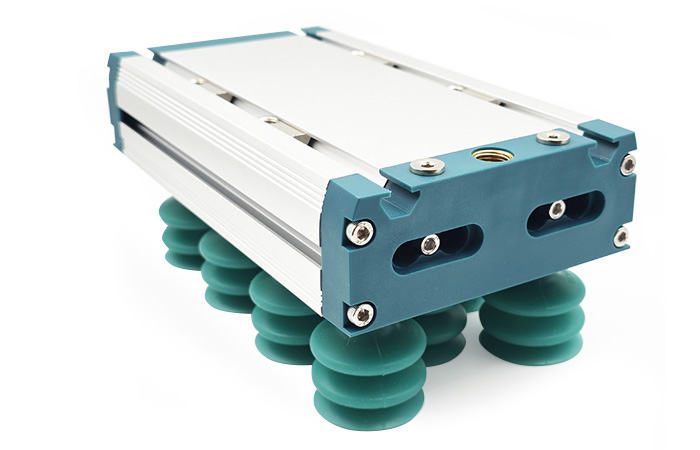


If you’re exploring smarter ways to improve your automation line, vacuum grippers are probably already on your radar. These deceptively simple tools have become essential in modern manufacturing and logistics. Why? Because they combine speed, flexibility, and gentle handling in a way that traditional gripping systems often can’t match.
In this guide, you’ll get a clear, practical understanding of Vacuum Grippers In Robotics, how they work, and—more importantly—why they might be the upgrade your operation actually needs.

Let’s start with something procurement teams often underestimate—product integrity.
Unlike mechanical grippers that apply force at specific contact points, vacuum systems distribute holding force evenly across the surface. That means:
Imagine you’re handling thin aluminum sheets or fragile electronic housings. A mechanical clamp? Risky. A vacuum gripper? Smooth, controlled, almost… effortless.
This is exactly why industries like electronics and food packaging lean heavily toward Vacuum Gripper Design solutions.
Here’s where things get interesting.
A well-designed vacuum gripper doesn’t just handle one type of object—it adapts. Flat surfaces, slightly curved shapes, even semi-porous materials… all manageable with the right suction cup configuration.
You don’t need ten different end effectors anymore.
Instead, you get one Flexible Automation Solution that works across multiple SKUs.
That’s huge for you if:
A client in e-commerce warehousing once switched to vacuum systems and reduced tool changeovers by nearly 40%. That’s not a small operational gain—it’s a structural improvement.
Speed isn’t just about moving fast—it’s about consistent cycle times.
Vacuum grippers excel here because:
In high-throughput environments—think palletizing or pick-and-place—this translates to:
And honestly, once you see a properly tuned vacuum system in action… it’s hard to go back.
Let’s talk maintenance—because this is where long-term cost really lives.
Mechanical grippers:
Vacuum grippers?
Yes, you’ll still need to check filters and seals—but compared to mechanical systems, the maintenance load is noticeably lighter.
Over time, this reduces:
And if you’re managing multiple production lines, that difference compounds quickly.
Safety is not optional—it’s operational.
Vacuum grippers reduce risks by:
For your workforce, this means fewer injuries. For your business, it means fewer disruptions.
Some advanced systems even include vacuum sensors that detect pressure loss and trigger alarms—so you’re not operating blindly.

At the core, it’s all about pressure difference.
A vacuum generator creates negative pressure inside the suction cup. Atmospheric pressure then pushes the object against the cup, forming a secure seal.
Simple physics—powerful results.
Key components include:
Here’s a quick breakdown:
| Component | Function | Impact on Performance | Typical Options | Maintenance Level | Notes |
|---|---|---|---|---|---|
| Vacuum Generator | Creates suction | Determines gripping force | Pump / Venturi | Medium | Centralized systems save cost |
| Suction Cup | Contacts object | Affects seal quality | Flat / Bellows / Foam | Low | Material selection is critical |
| Filters | Prevent contamination | Maintains airflow | Inline / Modular | Medium | Must be cleaned regularly |
| Valves | Control airflow | Affects response time | Solenoid / Manual | Low | Impacts speed significantly |
| Sensors | Monitor pressure | Enhances safety | Digital / Analog | Low | Optional but recommended |
The balance between vacuum level and airflow determines how well your system performs. High vacuum = stronger grip. High airflow = faster response.

You’ll find Robotic End Of Arm Tools like vacuum grippers almost everywhere now.
Some key industries:
Manufacturing
Handling metal sheets, plastic parts, and assemblies.
Packaging
Cartons, bags, and flexible materials.
Logistics & Warehousing
Parcel sorting, palletizing, depalletizing.
Food Industry
Handling packaged goods without contamination.
Electronics
Moving delicate circuit boards and components.
A real-world example:
One automotive supplier integrated vacuum grippers for sheet metal handling. Result? They reduced part damage by over 30% and improved cycle time by 18%.
That’s the kind of measurable impact procurement teams care about.
Now—this is where your decision-making matters.
Not all vacuum grippers are created equal.
Here’s what you should evaluate:
Object Surface
Smooth surfaces are ideal. Porous materials require higher airflow.
Weight and Size
Heavier objects need higher vacuum levels and larger cups.
Cycle Time Requirements
High-speed lines need optimized airflow and valve control.
Environment
Dusty or oily conditions? You’ll need proper filtration.
Integration Compatibility
Make sure it fits your robotic system seamlessly.
Can Vacuum Grippers Be Used In Robotic Arms?
Yes, they are specifically designed as end-of-arm tools for robotic systems and integrate easily with most industrial robots.
What Materials Can Be Handled By Vacuum Grippers?
Glass, plastic, metal, cardboard, and even some porous materials with proper configuration.
What Maintenance Is Required For Vacuum Grippers?
Routine inspection of suction cups, cleaning filters, and checking for air leaks.
How Does The Size Of The Object Affect Vacuum Gripper Performance?
Larger objects may require multiple suction cups or higher vacuum capacity.
What Is The Cost Of Vacuum Grippers Compared To Mechanical Grippers?
Initial costs may be similar, but long-term maintenance and operational costs are usually lower.
Can Vacuum Grippers Handle Irregular Shapes?
Yes, especially with flexible or foam-based suction cups.
Are Vacuum Grippers Energy Efficient?
Yes, especially when using centralized vacuum systems or optimized ejectors.
Do Vacuum Grippers Work With Porous Materials?
They can, but require higher airflow and specialized designs.
How Long Do Vacuum Grippers Last?
With proper maintenance, components like suction cups are easily replaceable and systems can last for years.
What Industries Benefit The Most From Vacuum Grippers?
Manufacturing, logistics, food processing, electronics, and packaging industries.
By now, you’ve probably realized that Vacuum Gripper Advantages go far beyond simple pick-and-place tasks. They offer a compelling mix of efficiency, flexibility, and reliability—exactly what modern production environments demand.
If you’re looking to optimize throughput, reduce damage, and future-proof your automation line, investing in high-quality Vacuum Grippers In Robotics is not just an option—it’s a strategic move.
And here’s the thing… not all suppliers are equal.
If you want consistent performance, durable design, and solutions tailored to real industrial challenges, it’s worth working with a specialized manufacturer like AirDriver.
Ready to upgrade your automation system?
Reach out to AirDriver today—and let’s build something faster, smarter, and more reliable together.