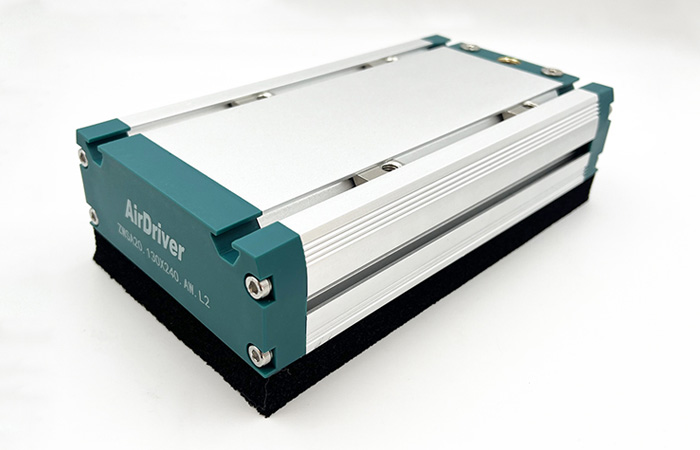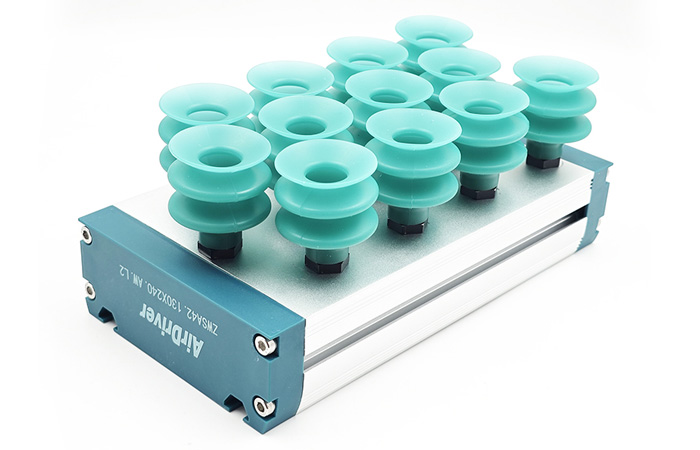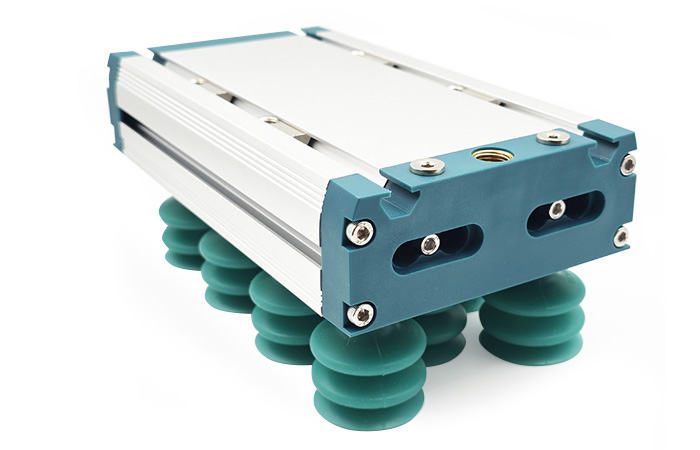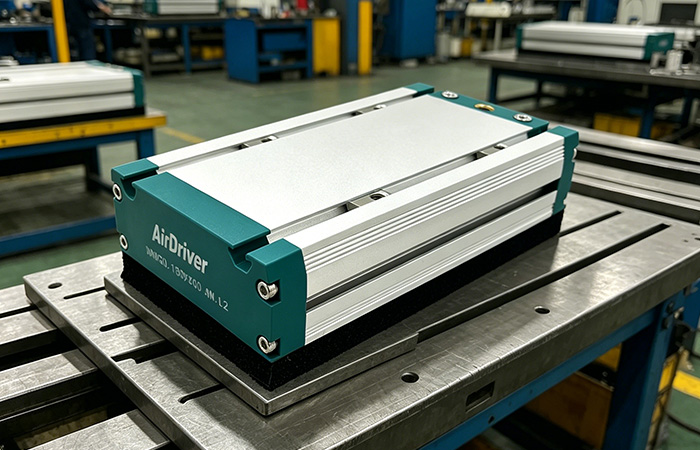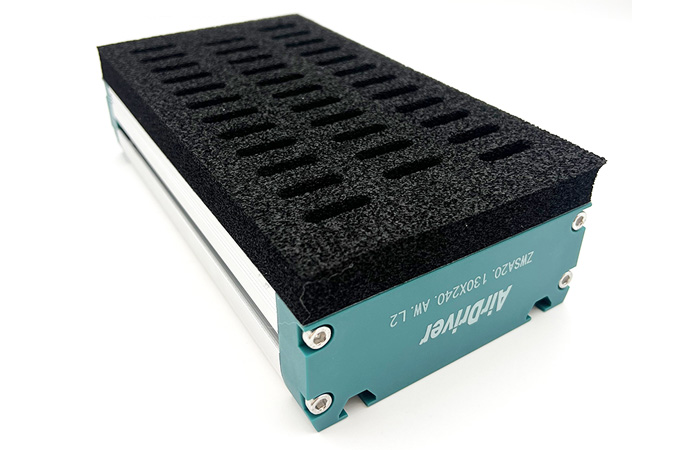


In modern industrial automation, choosing the right gripper directly impacts efficiency, precision, and operational cost. Whether you are handling delicate electronics or heavy materials, selecting the right vacuum gripper for robot or comparing it with electric robot gripper and pneumatic grippers is critical. This guide breaks down types, design principles, and vacuum gripper price factors to help you make the best decision.

A vacuum gripper for robot is a type of robotic end-effector that uses suction force to pick up and move objects. Unlike traditional electric grippers or pneumatic grippers, vacuum systems rely on negative pressure generated by vacuum pumps or ejectors.
● Non-contact gripping method
● Ideal for flat or smooth surfaces
● High-speed pick-and-place capability
● Reduced risk of product damage
● Packaging automation
● Glass handling
● Electronics assembly
● Sheet metal processing

Understanding different gripper technologies helps you choose the right solution for your application.
An electric robot gripper uses servo motors for precise control of gripping force and position.
Advantages:
● High precision and repeatability
● Programmable control
● Energy efficient
● Suitable for delicate operations
Limitations:
● Higher initial cost
● Slower than pneumatic in high-speed tasks
Pneumatic grippers use compressed air to actuate gripping motion.
Advantages:
● Fast operation speed
● Strong gripping force
● Cost-effective for industrial use
Limitations:
● Requires air supply system
● Less precise than electric grippers
● Higher maintenance
Vacuum grippers use suction cups and vacuum generators to handle objects.
Advantages:
● Ideal for flat and smooth surfaces
● Gentle handling (perfect for fragile items)
● High-speed automation compatibility
Limitations:
● Not suitable for porous materials
● Dependent on surface quality
The effectiveness of a vacuum gripper design depends on multiple technical parameters.
Different materials and shapes impact performance:
● Silicone cups → flexible, food-grade
● Rubber cups → general industrial use
● Foam cups → uneven surfaces
Two main options:
● Vacuum pump → stable, high suction
● Ejector (Venturi) → compact, fast response
Design must consider:
● Object weight
● Safety factor (typically 2–3x)
● Acceleration forces
A good vacuum gripper design must match:
● Surface roughness
● Porosity
● Shape (flat vs irregular)
Ensure compatibility with:
● Robot arm payload
● Control system
● End-effector interface
The vacuum gripper for robot is widely used across industries due to its versatility.
● Carton handling
● Bag picking
● Palletizing
● PCB handling
● Small component placement
● Solar panels
● LCD screens
● Sheet metal transfer
● Assembly line automation
Understanding vacuum gripper price is crucial for procurement decisions.
Custom vacuum gripper design increases cost due to engineering and tooling.
Higher durability materials → higher price but longer lifespan.
● Pump systems → higher cost
● Ejector systems → lower cost
Higher payload = stronger structure = higher price
OEM/ODM solutions impact pricing significantly.
| Type | Price Range |
|---|---|
| Basic vacuum gripper | $50 – $300 |
| Industrial vacuum gripper | $300 – $1500 |
| Custom system | $1500+ |
👉 For accurate vacuum gripper price, most manufacturers (like AirDriver) provide customized quotations.
Selecting the right solution requires a structured approach.
● Object size & weight
● Surface condition
● Production speed
| Scenario | Recommended Type |
|---|---|
| High precision | Electric Robot Gripper |
| High speed | Pneumatic Grippers |
| Flat objects | Vacuum Gripper |
● Efficiency improvement
● Labor cost reduction
● Maintenance cost
Choose systems that allow upgrades and integration.
As a professional automation solution provider, AirDriver specializes in advanced vacuum gripper for robot systems designed for industrial applications.
● Customized vacuum gripper design
● Competitive vacuum gripper price
● High-efficiency suction technology
● Strong compatibility with robotic arms
● Reliable performance in industrial environments
● Multi-cup vacuum systems
● Lightweight robotic vacuum grippers
● High-speed pick-and-place solutions
● Industry-specific customized designs
It creates negative pressure to lift and hold objects securely.
Design, materials, payload, and customization level.
It depends on the application; vacuum is better for flat objects.
Yes, if designed with proper suction force and safety factors.
Yes, especially suction cups and vacuum systems.
A vacuum gripper for robot uses suction to lift objects, while an electric robot gripper uses mechanical fingers driven by motors for precise gripping.
Pneumatic grippers are better for high-force gripping and irregular objects, while vacuum grippers are ideal for flat, smooth surfaces.
Suction force depends on vacuum level, cup area, and safety factor. Proper vacuum gripper design ensures stable handling without slipping.
Standard vacuum grippers are not suitable for porous materials unless equipped with special foam suction cups or high-flow vacuum systems.
Common materials include silicone, rubber, and polyurethane, each suited for different environments and product surfaces.
The lifespan depends on usage and environment. Regular maintenance of suction cups and vacuum systems extends performance.
The vacuum gripper price varies. Basic models are affordable, but advanced or customized systems may cost more than standard pneumatic grippers.
Choosing the right gripper is essential for maximizing automation efficiency. While electric robot gripper and pneumatic grippers each have their place, the vacuum gripper for robot stands out for speed, flexibility, and gentle handling.
By understanding vacuum gripper design, evaluating application needs, and considering vacuum gripper price, you can make an informed decision that improves productivity and reduces costs.
Looking for the best vacuum gripper for robot?Contact AirDriver today for a customized solution and quotation.