

If you’re sourcing automation equipment, you already know one thing—the gripper defines the performance of your robot. From delicate packaging to heavy industrial lifting, choosing the right Robotic Grippers can directly impact efficiency, cost, and product quality. In this guide, you’ll break down the four main types—vacuum, pneumatic, hydraulic, and electric—so you can confidently select the best fit for your application.
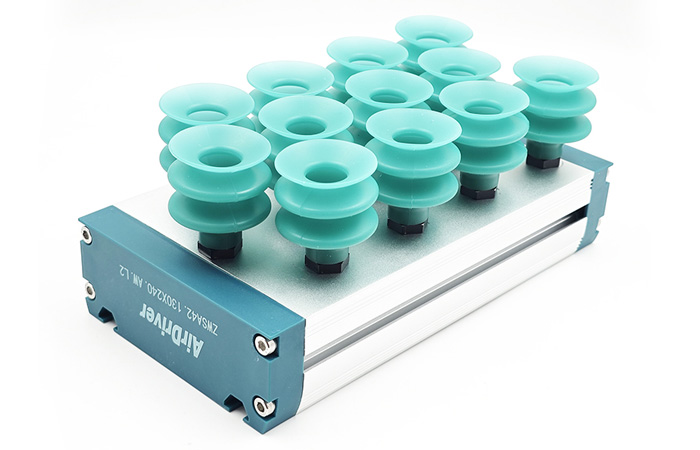
Vacuum grippers rely on suction to lift and move objects. A vacuum pump removes air, creating pressure differences that allow Vacuum Grippers to securely hold items.
They’re widely used in industries like packaging, logistics, and electronics—especially where surfaces are flat and non-porous.

Typical applications:
Real-world case:
A European e-commerce warehouse switched to vacuum systems for carton picking. Result? Picking speed increased by ~30%, while product damage dropped significantly.
Pneumatic grippers use compressed air to actuate fingers or jaws. They’re fast, simple, and highly reliable for repetitive operations.
These Robotic Arm Grippers are commonly found in:
However… they do come with trade-offs. Air leaks, pressure instability, and maintenance requirements can affect long-term efficiency.
Hydraulic grippers operate using fluid pressure, delivering extremely high gripping force.
If you’re dealing with:
…this is where Hydraulic Grippers shine.
But let’s be honest—they’re not for everyone. They’re bulky, complex, and require significant maintenance infrastructure. For many procurement teams, that’s a dealbreaker.
Electric grippers use servo motors for precise control. Compared to other options, they offer:
These Flexible Robotic Grippers are becoming the go-to solution in modern automation—especially in industries requiring precision and adaptability.
Think:
Let’s zoom in a bit—because vacuum systems are often underestimated.
A vacuum generator removes air from suction cups, creating negative pressure. Atmospheric pressure then pushes the object against the cup, forming a secure grip.
Simple physics… powerful results.

| Gripper Type | Power Source | Best For | Precision | Maintenance | Cost Level |
|---|---|---|---|---|---|
| Vacuum Grippers | Vacuum pump | Flat, lightweight objects | Medium | Low | Low |
| Pneumatic Grippers | Compressed air | High-speed repetitive tasks | Medium | Medium | Medium |
| Hydraulic Grippers | Hydraulic fluid | Heavy-duty applications | Low | High | High |
| Electric Grippers | Electric motor | Precision & flexibility | High | Low | Medium |
Now—this is where things get practical.
You’re not just choosing a type… you’re choosing a supplier.
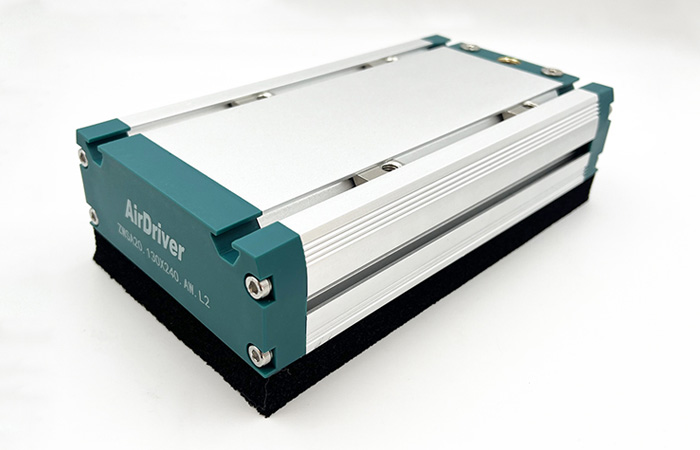
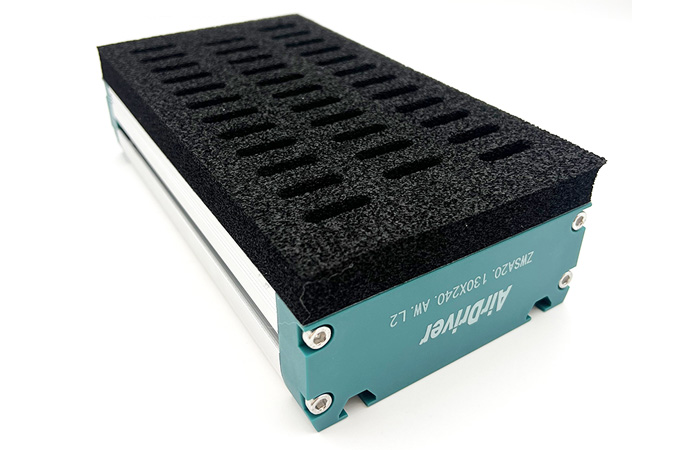
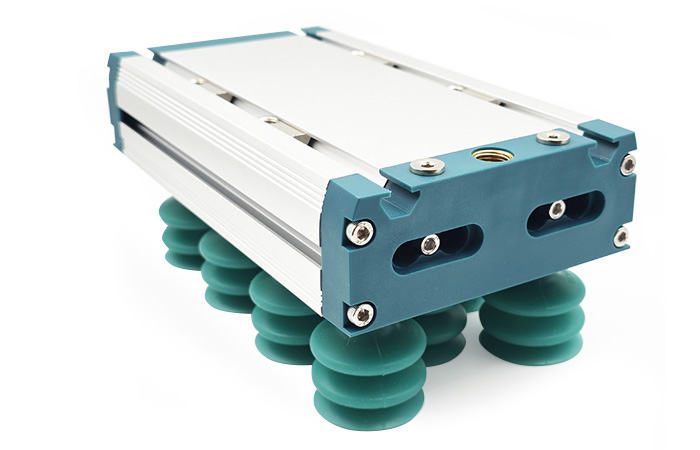
AirDriver designs Vacuum Grippers with optimized airflow channels and high-efficiency suction cups.
What does that mean for you?
A U.S. packaging client reported a 20% reduction in cycle time after switching to AirDriver systems.
No complicated hydraulics. No constant air leak troubleshooting.
Just:
For procurement teams, this translates directly into better ROI.
AirDriver solutions adapt easily to:
Whether you’re handling cartons today or plastic trays tomorrow—you don’t need a complete system overhaul.

Here’s the truth—there’s no “best” gripper.
There’s only the right fit for your use case.
Speed vs Precision
If speed is everything → pneumatic or vacuum
If precision matters → electric
Object Type
Flat surfaces → vacuum
Irregular shapes → electric
Payload Requirements
Heavy loads → hydraulic
Light to medium → others
Environment
Clean environments → electric
Harsh industrial → pneumatic or hydraulic
Budget Constraints
Lower upfront cost → vacuum or pneumatic
Long-term savings → electric
Let’s say you’re sourcing for a food packaging line.
You need:
Your best choice?
Vacuum grippers — especially from a specialized manufacturer like AirDriver.
How long do vacuum grippers typically last?
With proper maintenance, vacuum grippers can last several years. Wear parts like suction cups may need periodic replacement.
Can vacuum grippers handle fragile objects?
Yes—this is one of their biggest advantages. They apply even pressure, reducing the risk of damage.
Can vacuum grippers be used for heavy loads?
They are best for lightweight to medium loads. For heavy lifting, hydraulic or pneumatic options are better.
What industries benefit the most from vacuum grippers?
Packaging, logistics, electronics, food processing, and glass manufacturing.
Are vacuum grippers more cost-effective than other types?
Generally, yes. They have lower maintenance and simpler systems compared to hydraulic or pneumatic setups.
What is the difference between pneumatic and vacuum grippers?
Pneumatic grippers use mechanical jaws powered by air, while vacuum grippers use suction to hold objects.
Do vacuum grippers require constant power?
Yes, they require a continuous vacuum source to maintain grip.
Can vacuum grippers handle irregular shapes?
Not efficiently. They work best on flat or slightly curved surfaces.
Are electric grippers replacing other types?
In precision applications, yes—but traditional grippers still dominate in specific use cases.
How do I choose between electric and vacuum grippers?
If your priority is precision → electric
If your priority is speed and simplicity → vacuum
Choosing between Robotic Grippers isn’t just a technical decision—it’s a strategic one. The right choice can streamline your production, reduce operational costs, and improve product quality… while the wrong one quietly drains efficiency.
If your applications involve speed, delicate handling, and cost control, Vacuum Grippers are often the smartest investment. And with AirDriver, you’re not just buying components—you’re gaining a partner that understands real-world automation challenges.
Ready to optimize your automation line?
Reach out to AirDriver today and discover how the right gripper can transform your operations.