

In this guide, you will understand what a cobot vacuum gripper is, how different types work, where they are used, and most importantly—how you should choose the right one for your production line. This is written for you as a procurement decision-maker who needs not just technical definitions, but practical buying logic.

A cobot gripper is the end-of-arm tool mounted on a collaborative robot, allowing it to physically interact with objects. Unlike traditional industrial robot grippers, cobot systems are designed to safely work alongside humans, which means the gripping system must be stable, controllable, and highly adaptable.
A vacuum-based cobot gripper uses suction force generated by airflow to pick up objects without mechanical clamping. This makes it especially useful when handling fragile, irregular, or surface-sensitive items. In modern automation, vacuum technology is widely preferred because it reduces mechanical damage and increases cycle speed.
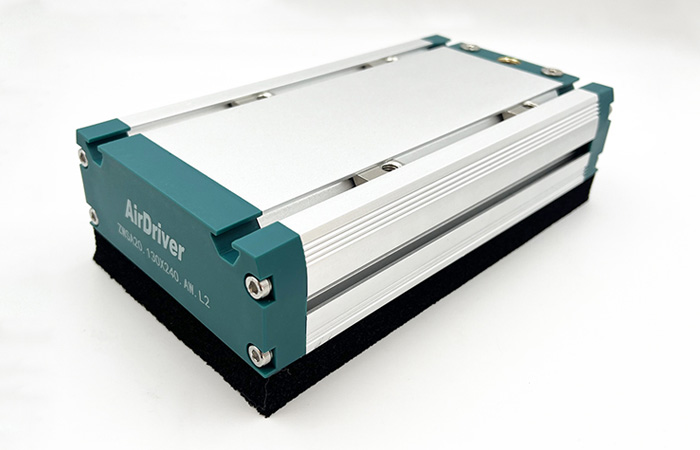
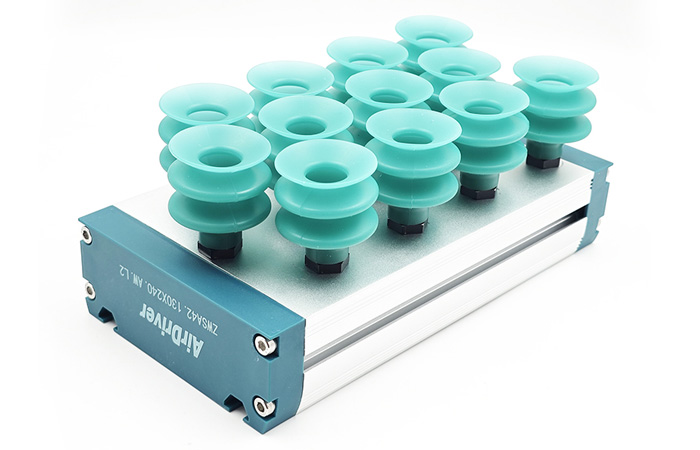
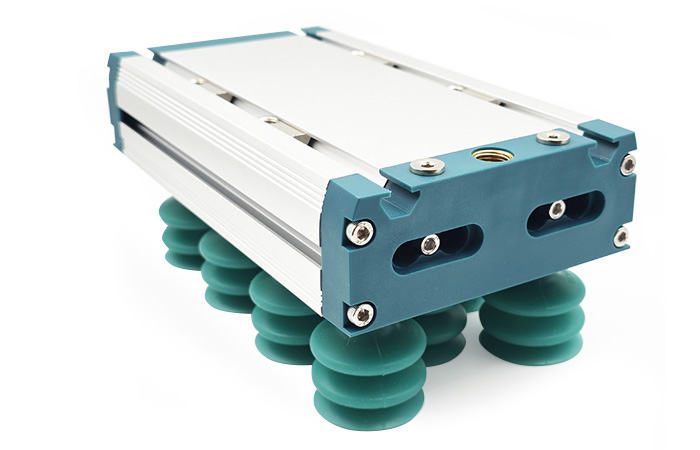
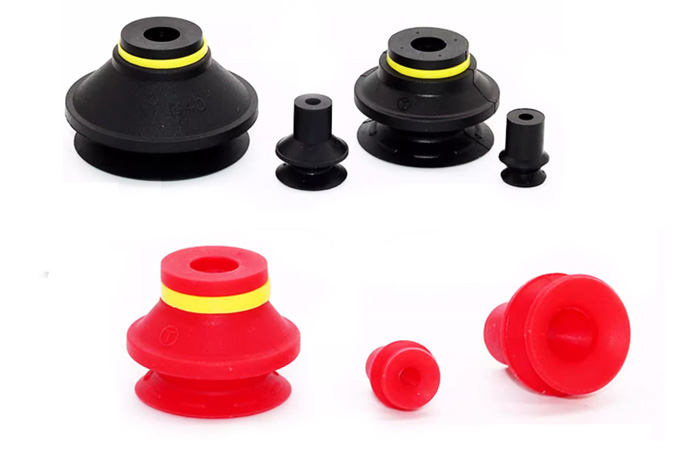
A typical industrial vacuum gripper system includes:
● Suction cups or foam pads
● Vacuum generator or ejector
● Valves and airflow control system
● Mounting structure for cobot integration
In many factories, especially packaging and logistics lines, you will see vacuum systems replacing traditional mechanical claws because they offer more flexibility and less risk of product damage.

Different production environments require different gripping principles. Understanding this helps you avoid overpaying for unnecessary complexity—or worse, choosing a tool that limits your production flexibility.
Below is a simplified comparison:
| Type | Working Principle | Best For | Limitation |
|---|---|---|---|
| Vacuum gripper | Suction force | Packaging, cartons | Needs stable surface |
| Mechanical gripper | Finger clamping | Metal parts | Can damage fragile items |
| Magnetic gripper | Magnetic force | Steel parts | Only works on metal |
| Soft gripper | Elastic contact | Food handling | Lower precision |
Vacuum systems include both suction cups and foam-based designs. Foam vacuum gripper is especially effective when surfaces are uneven or porous, while suction cups are better for flat, sealed surfaces.
You will often find vacuum gripper robot solutions used in carton handling or irregular packaging because they adapt better to inconsistent surfaces.
A key insight here is simple: if your production involves mixed shapes or unstable stacking conditions, vacuum-based gripping is usually the safest starting point.
This comparison is extremely important for procurement decisions.
Foam vacuum gripper distributes suction across a larger surface area, making it more tolerant to leaks, wrinkles, or uneven surfaces. A suction cup system, on the other hand, creates a sealed vacuum at specific points.
Here’s a quick breakdown:
● Foam systems → flexible, adaptive, forgiving
● Suction cups → precise, strong, efficient on flat surfaces
In real factories, you rarely choose only one. Many engineers combine both depending on product variation.
External reference for vacuum gripping principles:
Now let’s talk about what you actually care about—real usage.
In modern warehouses, automation is heavily driven by speed. A vacuum gripper for palletizing is commonly used to stack cartons or bags efficiently. When you scale production, even a small improvement in cycle time can translate into significant labor savings.
You might also encounter setups where a packaging line vacuum gripper is integrated into conveyor systems to continuously handle boxes without interruption.
For electronics, plastic parts, or mixed SKUs, a pick and place vacuum gripper becomes essential. It reduces manual sorting errors and stabilizes throughput.
In real production, not everything is perfect geometry. Vacuum gripper for irregular objects allows cobots to handle deformable or uneven surfaces like bags, textiles, or assembled components.
A robot vacuum gripper solution is often deployed in logistics centers where speed and reliability matter more than precision micro-control.
For you as a buyer, one typical case looks like this:
A packaging factory switches from manual stacking to cobot automation. After integrating a vacuum system, they reduce operator workload and improve consistency. In some cases, companies report up to 20–30% efficiency improvement simply by optimizing end-of-arm tooling.
This is the section where most purchasing decisions are actually made.
You need to define:
● Weight range
● Surface condition
● Fragility level
This directly impacts whether you need a cobot gripper solution based on foam or suction.
Different materials behave differently under vacuum. Porous materials often require foam-based systems instead of standard suction.
High-speed packaging lines require stable airflow and fast release systems. This is where vacuum system design becomes critical.
A vacuum gripper manufacturer should provide compatibility with multiple cobot brands. If integration is difficult, downtime costs will increase significantly.
If your product types vary, you may need a custom vacuum gripper rather than a standard model. This is especially important in logistics and mixed-product environments.
A simplified selection table:
| Factor | Question to Ask |
|---|---|
| Product shape | Flat or irregular? |
| Speed | High throughput or standard? |
| Material | Porous or sealed? |
| Flexibility | Single SKU or mixed SKUs? |
For more technical selection frameworks, you can review industrial automation guidelines:
When you evaluate suppliers, you are not just buying hardware—you are buying system stability.
AirDriver focuses on cobot gripper systems designed for industrial integration, especially where flexibility and customization matter.
In many real applications, a vacuum gripper supplier is judged not only by product specs but by:
● Delivery reliability
● Custom engineering ability
● After-sales support
● Integration assistance
AirDriver’s engineering approach is centered on adapting to real production conditions rather than offering fixed standard models.
You will often see foam vacuum gripper solutions used in packaging automation lines where product shapes vary significantly. This is where customization becomes a real competitive advantage.
To simplify decision-making:
● Mechanical systems → precision parts
● Vacuum systems → packaging & logistics
● Foam systems → irregular surfaces
● Hybrid systems → mixed production environments
If you are evaluating suppliers, always ask whether they can support both standard and custom vacuum gripper configurations.
What is a cobot gripper used for?
It is used in automation tasks like packaging, assembly, and logistics.
Is a foam vacuum gripper better than suction cups?
It depends on surface type and application.
What industries use cobot grippers?
Packaging, electronics, logistics, and manufacturing.
Can cobot grippers handle heavy objects?
Yes, depending on design and vacuum strength.
What is a vacuum gripper for cobot?
A vacuum-based end effector designed for collaborative robots.
How to choose a cobot gripper?
Based on payload, material, and application needs.
What are types of cobot grippers?
Vacuum, mechanical, magnetic, and soft grippers.
What is a vacuum gripper for irregular objects?
A system designed to handle uneven surfaces.
Foam vacuum gripper vs suction cup?
Foam is flexible; suction cups are more precise.
Choosing the right cobot gripper is not just a technical decision—it directly impacts your production efficiency, stability, and cost structure. Whether you are handling cartons, irregular packaging, or high-speed palletizing, the right vacuum-based system can significantly reduce downtime and improve output consistency.
A foam vacuum gripper is especially useful when your products are not uniform, while traditional vacuum suction systems perform best in stable, high-speed environments. As automation continues to evolve, you will increasingly need flexible and customizable gripping solutions rather than fixed standard tools.
If you are evaluating automation upgrades, now is the time to rethink your end-of-arm tooling strategy. A well-designed system can quietly improve your entire production line without major infrastructure changes. For tailored solutions, working with a capable engineering supplier like AirDriver can help you move from “basic automation” to a truly optimized system.