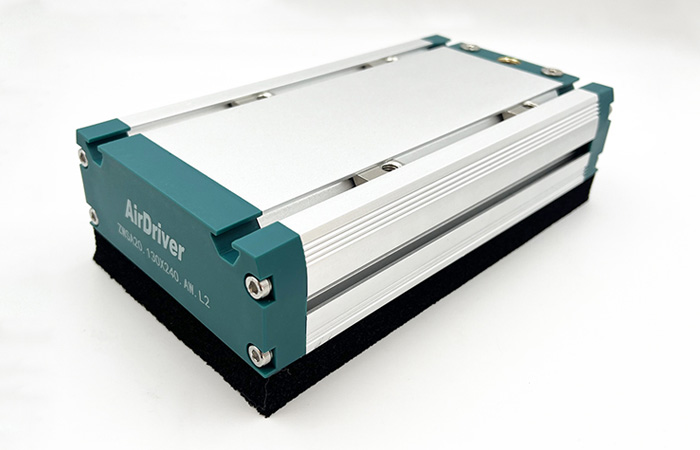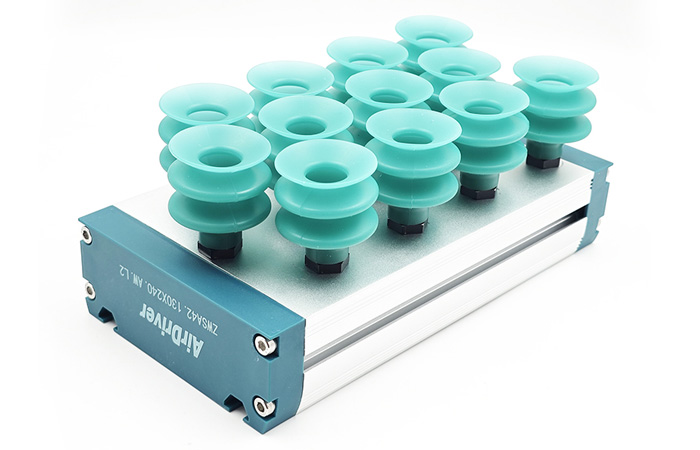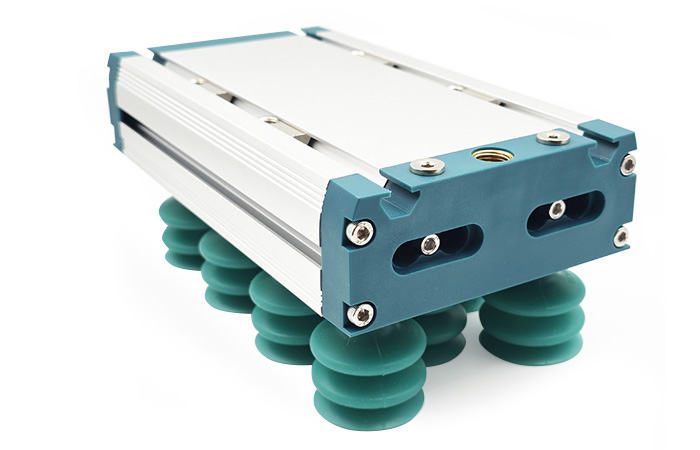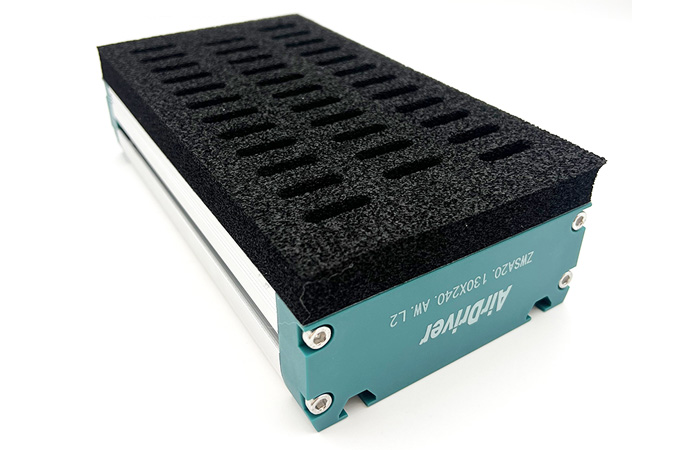


In modern automation, choosing the right vacuum suction gripper can directly influence your production efficiency, labor costs, product quality, and long-term profitability. Many buyers struggle between selecting a standard vacuum gripper or investing in a custom vacuum gripper tailored to their applications. Honestly, there is no universal answer. The better option depends on your production goals, product variation, throughput expectations, and future expansion plans. For manufacturers using robotic automation, especially in fast-moving industries, understanding ROI before purchasing a gripper is absolutely essential.
When you evaluate ROI, you are not simply comparing product prices. You are measuring productivity, downtime reduction, maintenance expenses, flexibility, installation speed, labor savings, and scalability over time.
Some procurement teams focus only on the initial purchase cost. That is understandable… but it often leads to higher operational expenses later. A lower-cost gripper that causes production interruptions can become surprisingly expensive within a few months.
On the other hand, a highly engineered custom solution may look expensive upfront, yet dramatically reduce waste, cycle times, and operator intervention.
For companies investing in automation with AirDriver solutions, the key is balancing immediate affordability with long-term manufacturing efficiency.

A standard vacuum gripper is typically mass-produced and ready for immediate installation. Because the design already exists, engineering costs are minimal.
A custom vacuum gripper, however, involves:
● Engineering consultation
● Application analysis
● Product testing
● CAD development
● Material selection
● Prototype validation
Naturally, the initial investment is higher.
Still, that does not automatically mean lower ROI.
Here is where many buyers make a mistake: they compare only the purchase price instead of the total operational impact over several years.
| Factor | Standard Vacuum Gripper | Custom Vacuum Gripper |
|---|---|---|
| Initial Cost | Lower | Higher |
| Engineering Time | Minimal | Moderate |
| Installation Speed | Fast | Medium |
| Adaptability | Limited | High |
| Maintenance Efficiency | Moderate | High |
| Long-Term ROI | Medium | High |
For smaller operations or low-volume manufacturing, standard systems often make financial sense. But in high-throughput automation lines, customization frequently produces stronger returns.
A poorly matched gripper may cause:
● Product slippage
● Packaging damage
● Vacuum leakage
● Increased downtime
● Misalignment errors
● Excessive maintenance
These hidden costs slowly eat away at profitability.

There are still good reasons to choose standard systems.
You may benefit from:
● Faster delivery times
● Lower procurement risk
● Easier replacement sourcing
● Simpler inventory management
● Lower upfront budgeting pressure
If your products are uniform and stable, a standard solution can work beautifully.
But if your production line changes frequently? That changes the conversation completely.
Performance is where the difference becomes very obvious.
A custom robotic gripper is engineered around your product dimensions, material type, weight distribution, surface texture, and cycle requirements.
That creates:
● Stronger suction consistency
● Better product positioning
● Reduced handling errors
● Faster pick-and-place cycles
● Lower vacuum loss
A standard model, meanwhile, attempts to serve multiple applications at once. It may perform adequately — but not exceptionally.
In automated production, milliseconds matter.
Custom designs can optimize:
● Airflow channels
● Suction cup positioning
● Vacuum pressure balance
● Structural weight reduction
● Robot movement efficiency
This is especially important for:
● Food packaging
● Electronics assembly
● Automotive parts handling
● Glass transport
● E-commerce logistics
Fragile products create special challenges.
A standard robotic vacuum gripper may apply uneven force across delicate surfaces. That can lead to scratches, dents, or deformation.
Custom vacuum systems can use:
● Specialized suction materials
● Multi-zone vacuum control
● Soft-contact designs
● Adjustable vacuum levels
● Product-specific suction geometry
For industries like pharmaceuticals or consumer electronics, that difference becomes critical.
| Performance Area | Standard Gripper | Custom Gripper |
|---|---|---|
| Speed Optimization | Moderate | Excellent |
| Product Adaptability | Limited | Excellent |
| Handling Precision | Good | Very High |
| Damage Reduction | Moderate | Excellent |
| Energy Efficiency | Standard | Optimized |
| Automation Integration | Basic | Advanced |
Many buyers overlook vacuum energy costs.
An improperly sized gripper often consumes excess compressed air. Over time, that becomes expensive.
Custom solutions may reduce:
● Air leakage
● Unnecessary suction zones
● Excess vacuum generation
● Compressor workload
Even a 10% reduction in air consumption can create meaningful savings in large-scale facilities.
Manufacturing rarely stays static.
Today you handle one product size. Six months later, the packaging changes. Then a new SKU appears. Then throughput doubles.
This is where custom systems become attractive.
A custom vacuum gripper can be engineered for modularity, allowing you to adapt without replacing the entire system.
Many factories now require flexible automation.
Instead of one fixed product, you may need to handle:
● Different box sizes
● Mixed materials
● Irregular surfaces
● Variable weights
● Random orientations
Custom systems support this flexibility far better than standard models.
Some advanced vacuum end effectors even include interchangeable suction modules for rapid production switching.
Cobots are changing automation purchasing decisions.
A standard gripper may technically fit your collaborative robot, but that does not mean optimal performance.
Custom integration improves:
● Payload balance
● Robot speed
● Safety compliance
● Workspace efficiency
● Cable management
AirDriver frequently works with integrators seeking lightweight robotic material handling gripper systems specifically for collaborative automation.
Weight reduction alone can dramatically improve robotic cycle performance.
You likely need a custom solution if:
● Products vary frequently
● Surface materials are inconsistent
● Damage rates are high
● Production speed is critical
● Existing grippers require frequent adjustments
● Downtime costs are significant
Standard systems remain excellent when:
● Product sizes are consistent
● Production volume is moderate
● Budget limitations are strict
● Installation speed matters most
● Operational complexity is low
Honestly, not every factory needs a fully customized design.
That would be overengineering.
This distinction matters enormously.
A standard system often wins short-term ROI because:
● Lower upfront investment
● Immediate availability
● Minimal engineering expenses
But over longer operational periods, custom systems frequently outperform.
Several variables affect return on investment:
● Production volume
● Downtime cost
● Product damage rates
● Labor requirements
● Maintenance frequency
● Energy efficiency
● Scalability needs
A factory running two shifts per day has very different ROI calculations compared to a small operation running several hours weekly.
Imagine two facilities.
Facility A purchases a low-cost standard vacuum suction gripper.
Facility B invests in a customized AirDriver system.
Initially, Facility A spends less.
However, over two years:
● Facility A experiences higher maintenance
● More product handling errors occur
● Cycle speeds remain limited
● Operators frequently adjust settings
Facility B achieves:
● Faster throughput
● Reduced downtime
● Lower rejection rates
● Greater automation stability
Eventually, the custom solution generates stronger profitability despite the larger initial cost.
That pattern is surprisingly common in industrial automation.
| ROI Factor | Standard Vacuum Gripper | Custom Vacuum Gripper |
|---|---|---|
| Upfront Savings | Excellent | Moderate |
| Downtime Reduction | Moderate | Excellent |
| Long-Term Efficiency | Moderate | Excellent |
| Labor Reduction | Good | Very High |
| Product Quality Improvement | Moderate | Excellent |
| Scalability | Limited | High |
Experienced procurement professionals often focus on:
● Reliability
● Scalability
● Maintenance simplicity
● Supplier support
● Long-term operational savings
Not simply the cheapest price.
Because cheap automation failures become very expensive problems.
Durability depends heavily on the application environment.
A standard industrial vacuum gripper may perform well in clean, stable environments with predictable products.
However, harsh manufacturing conditions create challenges:
● Dust exposure
● Oil contamination
● High temperatures
● Abrasive materials
● Continuous operation cycles
Custom systems can use specialized materials and reinforced structures designed specifically for those environments.
For example:
● Aluminum alloy frames
● Anti-static materials
● Heat-resistant seals
● Reinforced suction cups
● Chemical-resistant tubing
A warehouse automation company handling corrugated packaging reportedly extended gripper lifespan by over 40% after switching to a custom-engineered vacuum end effector with reinforced foam sealing.
That matters because durability directly affects maintenance costs and downtime frequency.
● Material quality matters more than appearance
● Lightweight designs can still be highly durable
● Sealing performance affects long-term efficiency
● Environmental conditions influence lifespan heavily
● Preventive maintenance remains essential
● Proper sizing prevents premature wear
You should also consider supplier support availability. Spare parts access can become surprisingly important during production emergencies.
Reliable manufacturers like AirDriver typically provide engineering assistance, replacement components, and application guidance that improve system longevity.
This is probably the most important practical question.
Too many buyers select a gripper before properly evaluating their production environment.
That usually creates expensive complications later.
Analyze:
● Product dimensions
● Surface texture
● Weight
● Fragility
● Material type
● Porosity
A smooth glass panel requires a very different solution than a porous cardboard box.
Ask yourself:
● Is speed the priority?
● Is flexibility more important?
● Will products change often?
● Do you require collaborative robotics?
● Is floor space limited?
● Are labor shortages a concern?
These questions help determine whether standardization or customization makes more sense.
Environmental conditions influence vacuum performance.
Factors include:
● Temperature
● Dust levels
● Humidity
● Oil exposure
● Static electricity
● Cleanroom requirements
Ignoring these conditions can shorten gripper lifespan dramatically.
This is one area many procurement teams overlook.
Your current production needs may change within 12–24 months.
A scalable custom robotic gripper may prevent costly redesigns later.
Before purchasing, ask suppliers:
● What industries do you specialize in?
● Can you provide application testing?
● Are replacement parts available globally?
● What maintenance support is included?
● Can the system adapt to future products?
● What ROI improvements have clients achieved?
Strong suppliers usually welcome these questions.
Weak suppliers avoid them.
You can learn more about robotic automation and vacuum handling technologies from reliable industry organizations and technical resources:
● Robotic Industries Association
● International Federation of Robotics
● SME Manufacturing Automation Resources
● Packaging Automation Industry Insights
● Universal Robots Application Knowledge
These resources provide useful insights when comparing automation solutions and evaluating long-term ROI strategies.
Honestly… there are several common purchasing mistakes that appear repeatedly across industries.
And they are usually preventable.
This is probably the biggest mistake.
Low-cost grippers often create:
● Higher maintenance costs
● Lower efficiency
● Increased downtime
● Reduced product quality
● Shorter lifespan
Total operational value matters far more than initial pricing alone.
Some buyers test only one product sample.
Then production begins and real-world variations create failures.
Always account for:
● Weight changes
● Packaging inconsistencies
● Surface differences
● Dimensional tolerances
Custom solutions usually handle variability better.
Compressed air costs are frequently overlooked.
I have seen facilities spend thousands annually on inefficient vacuum systems without realizing it.
Energy-efficient designs matter.
A lot.
Your factory today is not necessarily your factory tomorrow.
A rigid solution may become obsolete quickly.
Scalable systems provide stronger long-term ROI.
This mistake becomes painful during troubleshooting.
Strong technical support can save enormous amounts of downtime.
| Mistake | Potential Consequence |
|---|---|
| Buying Only by Price | Reduced ROI |
| Ignoring Product Variations | Frequent Failures |
| Overlooking Energy Costs | Higher Operating Expenses |
| No Future Planning | Early Replacement Costs |
| Weak Supplier Support | Longer Downtime |
You should prioritize:
● Application testing
● Supplier expertise
● Long-term scalability
● Maintenance accessibility
● Real production data
● Total lifecycle cost analysis
Those factors usually produce the best investment outcomes.
The lifespan depends on usage intensity, maintenance quality, environmental conditions, and material selection. A properly maintained vacuum suction gripper may last several years in industrial automation environments. Custom systems designed for harsh applications often achieve longer operational life.
Yes, in many cases they do. A custom vacuum gripper can improve automation stability, reduce operator intervention, minimize product handling errors, and support faster production cycles. This often lowers labor dependency significantly.
A standard vacuum gripper usually delivers faster short-term ROI because of lower upfront costs. However, a custom system often generates stronger long-term ROI through higher efficiency, lower downtime, and reduced maintenance expenses.
Regular maintenance includes checking suction cups, inspecting seals, monitoring vacuum pressure, cleaning filters, testing airflow performance, and replacing worn components promptly. Preventive maintenance greatly improves reliability.
You should consider a standard solution when products are consistent, production complexity is low, installation speed is important, and budget limitations are strict.
Performance depends on vacuum pressure, product surface texture, suction cup material, airflow efficiency, environmental conditions, gripper weight, and system design quality.
Yes, especially for high-volume or complex automation environments. A custom robotic gripper can improve efficiency, reduce waste, support scalability, and lower operational costs over time.
In most specialized applications, yes. Custom systems are engineered specifically for the production environment, product dimensions, handling speed, and operational requirements, which often leads to better overall efficiency.
Choosing between a standard vacuum gripper and a custom vacuum gripper ultimately depends on your operational priorities, production complexity, and long-term automation strategy. Standard systems offer affordability and quick deployment, making them attractive for simple applications. Custom solutions, however, frequently provide stronger ROI through improved efficiency, lower downtime, greater flexibility, and better product protection. If your production line demands speed, scalability, or high handling precision, customization may become the smarter investment over time. AirDriver helps manufacturers evaluate both options carefully, ensuring you select a reliable vacuum handling solution that supports sustainable productivity growth and long-term profitability. Contact AirDriver to discuss the right vacuum end effector strategy for your automation goals.