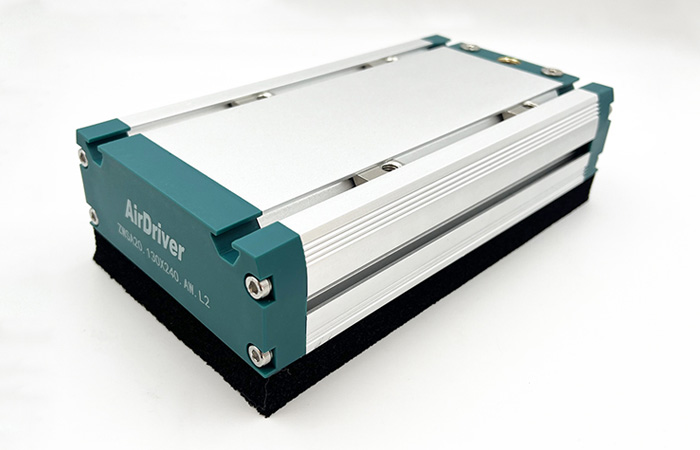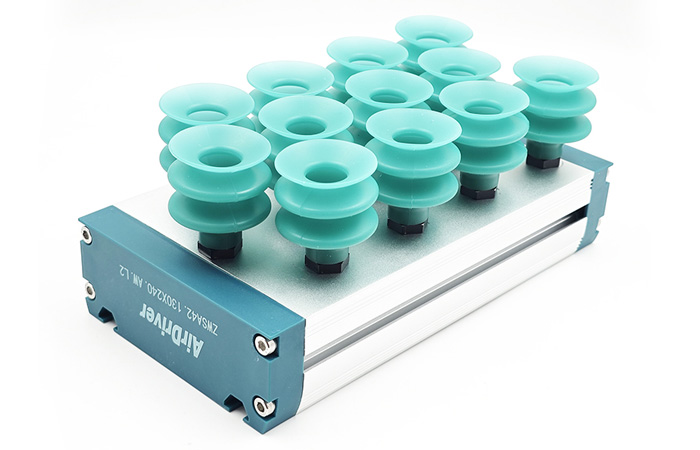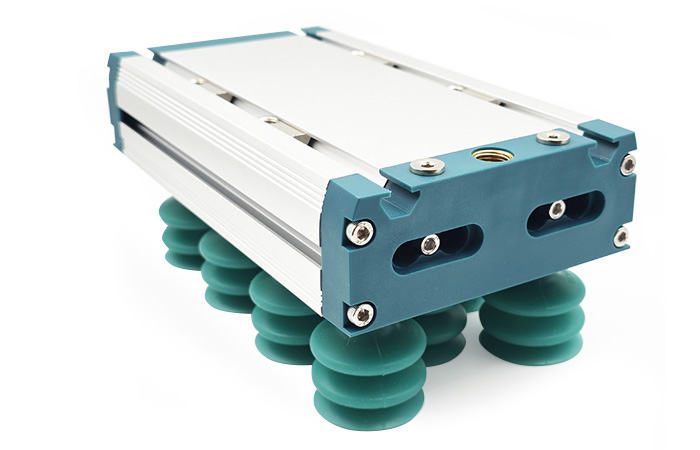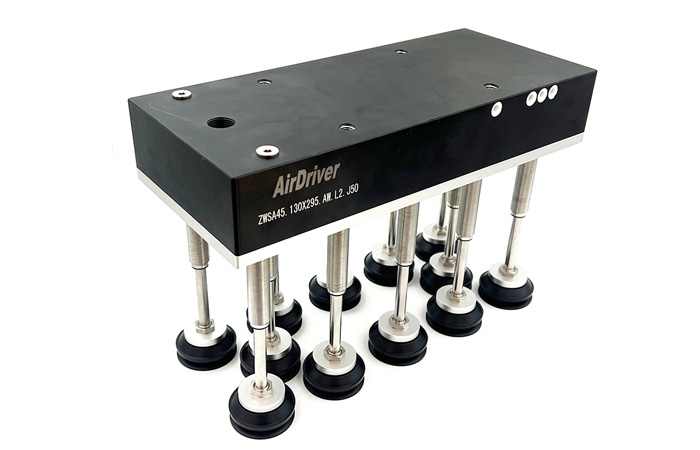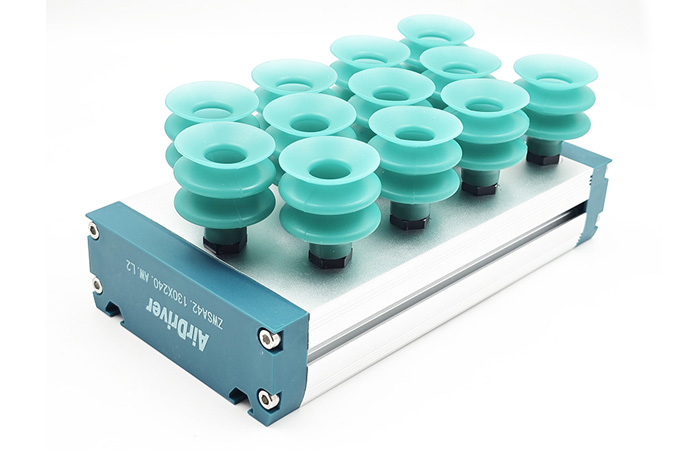


Vacuum suction grippers are widely used in industrial automation, robotics, packaging, and material handling applications because they provide flexible and reliable gripping solutions for different workpieces. However, improper selection, harsh operating conditions, and insufficient maintenance can significantly reduce their service life. This guide explains how to extend the lifespan of vacuum suction grippers through correct selection, maintenance, leakage prevention, and optimized operation while helping manufacturers choose reliable vacuum gripping solutions.
A vacuum suction gripper is a pneumatic gripping device that uses negative pressure generated by a vacuum system to hold and move workpieces. The service life of a Vacuum Suction Gripper depends not only on product quality but also on application conditions, maintenance practices, and operating parameters.
For industrial buyers, extending gripper lifespan can reduce downtime, lower replacement costs, and improve production efficiency. Selecting the right vacuum suction cup, optimizing working conditions, and cooperating with an experienced Vacuum Gripper Manufacturer are essential steps for achieving long-term and stable performance.
Before choosing or maintaining a Vacuum Suction Gripper, it is important to understand the main factors that influence its durability. Different applications create different levels of stress on vacuum components, especially the vacuum suction cup, connection parts, and pneumatic system.
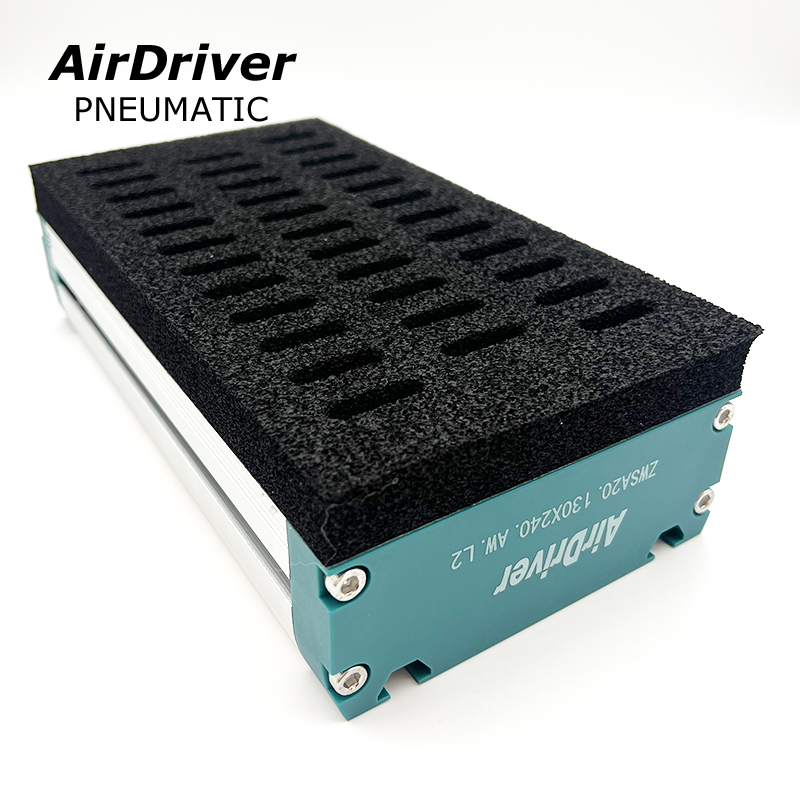
The following factors directly affect the working life of vacuum gripping systems:
| Factor | Impact On Service Life | Recommended Solution |
|---|---|---|
| Material Quality | Low-quality materials may wear, deform, or lose elasticity quickly. | Select durable vacuum suction cups and reliable components from experienced manufacturers. |
| Operating Environment | Dust, oil, moisture, temperature changes, and chemicals may damage components. | Choose suitable materials and protection levels according to working conditions. |
| Working Frequency | High-speed repetitive operations increase mechanical wear. | Select industrial-grade grippers designed for continuous operation. |
| Load Conditions | Overloading creates excessive stress and reduces gripping stability. | Match the gripper capacity with actual workpiece weight and shape. |
The vacuum suction cup is one of the most critical components affecting the performance and lifespan of a vacuum gripping system. The material determines resistance against wear, deformation, temperature, and environmental conditions.
Common vacuum suction cup materials include:
Choosing the correct material prevents premature replacement and ensures stable gripping performance during long-term operation.
As a professional pneumatic vacuum solution provider, AirDriver focuses on developing reliable vacuum gripping products with optimized structures and high-quality components. The company supports customers with customized solutions based on different materials, workpieces, and automation requirements.
The working environment has a significant influence on the lifespan of a Robot Vacuum Suction Gripper.
For example:
Before purchasing a vacuum gripping system, buyers should evaluate:
A suitable Vacuum Suction Gripper selected according to environmental conditions can significantly reduce maintenance frequency and improve production reliability.
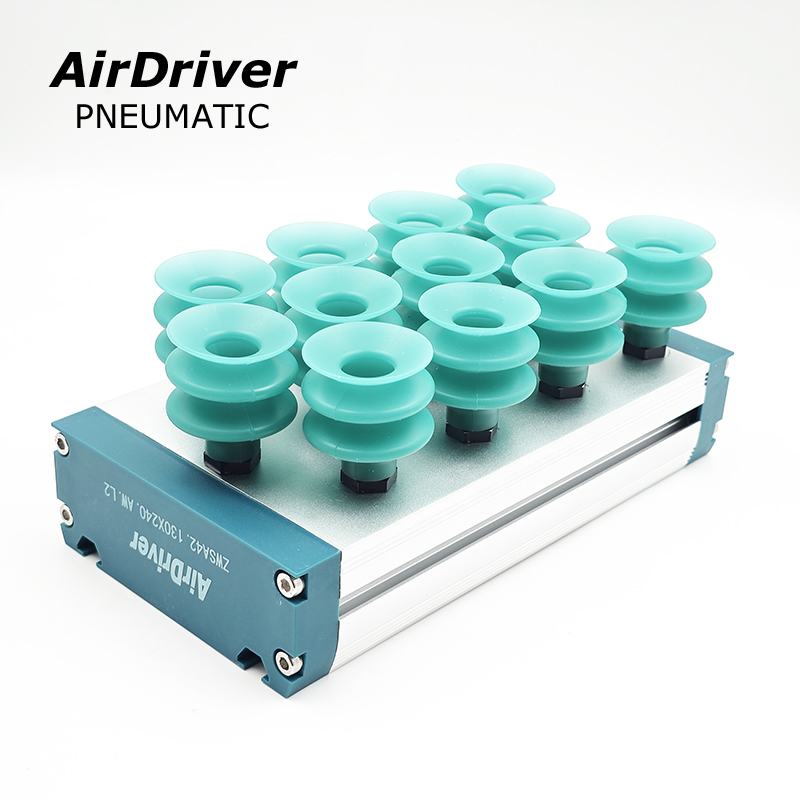
Automation systems often operate thousands or even millions of gripping cycles throughout their service life. High-frequency applications require vacuum grippers designed for continuous operation.
In robotic applications, a Robot Vacuum Suction Gripper must maintain:
For example, a robotic packaging line running 24 hours per day requires different gripping performance compared with a low-frequency assembly workstation.
Working with an experienced Vacuum Gripper Manufacturer allows companies to select products based on cycle requirements, automation speed, and expected service life.
Incorrect load selection is one of the main reasons for premature vacuum gripper failure.
A vacuum gripper should be selected according to:
Smooth and flat materials such as glass panels, metal sheets, and plastic boards usually require different vacuum suction cups compared with porous materials such as cardboard, wood, or fabric.
For heavy-duty applications, selecting a high-performance vacuum suction gripper with sufficient gripping force prevents excessive vacuum pressure requirements and improves equipment stability.
AirDriver provides customized pneumatic vacuum gripping solutions for different industrial applications. With factory-direct supply, OEM customization capability, and extensive automation project experience, AirDriver helps customers select suitable gripping solutions to achieve longer operating life and higher production efficiency.
Selecting the correct Vacuum Suction Gripper is the first step toward improving service life. Even a high-quality gripper may experience early failure if it is not suitable for the application.
Industrial buyers should consider three key aspects when selecting a vacuum gripping system:
Different workpiece surfaces require different vacuum suction cup designs.
| Workpiece Type | Recommended Vacuum Solution |
|---|---|
| Flat and smooth surfaces | Standard vacuum suction cups with stable sealing performance |
| Curved or irregular surfaces | Flexible suction cups with better adaptability |
| Porous materials | Special vacuum solutions designed for air leakage control |
| Delicate products | Soft material suction cups to prevent surface damage |
Choosing the right vacuum suction cup design reduces unnecessary stress on the gripping system and extends component lifespan.
The payload capacity of a vacuum gripper directly affects safety and durability.
When selecting a Vacuum Suction Gripper, buyers should evaluate:
Using an undersized gripper for heavy loads may cause unstable gripping, excessive vacuum demand, and faster component wear.
High-speed robotic applications require vacuum grippers with fast response and reliable performance.
For automated production lines, manufacturers should consider:
AirDriver provides pneumatic vacuum gripping solutions designed for industrial automation applications, helping customers improve efficiency while reducing maintenance requirements.
Regular maintenance is one of the most effective ways to extend the service life of a Vacuum Suction Gripper. Even high-quality vacuum gripping systems may experience performance decline when dust, oil contamination, or component wear affects the sealing system.
For industrial users, a preventive maintenance plan can help identify potential problems before they cause production downtime.
A recommended maintenance schedule includes:
| Maintenance Item | Inspection Frequency | Purpose |
|---|---|---|
| Vacuum suction cup inspection | Daily or weekly depending on working conditions | Identify cracks, deformation, and surface wear. |
| Vacuum component cleaning | Regularly based on environment | Remove dust, oil, and particles affecting suction performance. |
| Vacuum pressure checking | During production monitoring | Ensure stable vacuum force and prevent gripping failure. |
| Connection inspection | Periodic inspection | Prevent air leakage caused by loose fittings. |
The vacuum suction cup directly contacts the workpiece, making it one of the most frequently worn components in an automated gripping system.
During inspection, operators should check:
A damaged Vacuum Suction Cup can significantly reduce suction force and increase the risk of workpiece dropping.
For example, in robotic material handling applications, worn suction cups may cause unstable gripping during high-speed movement, resulting in production interruptions or product damage.
Replacing worn suction cups before complete failure is a cost-effective maintenance strategy because it prevents unexpected downtime and protects other vacuum system components.
Contaminants such as dust, oil, and small particles can reduce vacuum efficiency by affecting sealing performance.
Regular cleaning helps maintain:
Cleaning frequency depends on the application environment.
For example:
Incorrect vacuum pressure is another common factor affecting Vacuum Suction Gripper performance.
Low vacuum pressure may result in:
Excessively high vacuum pressure may:
Therefore, maintaining the correct vacuum pressure according to the workpiece and application requirements helps balance performance and service life.
AirDriver provides pneumatic vacuum gripping solutions with optimized structures to help customers achieve stable vacuum performance in different automation environments.
Vacuum suction cups are consumable components that naturally experience wear over time. However, replacing them too early increases operating costs, while replacing them too late may cause production problems.
Industrial users should consider replacement when the following signs appear:
| Warning Sign | Possible Cause | Recommended Action |
|---|---|---|
| Reduced suction force | Suction cup aging or surface damage | Inspect and replace the suction cup if necessary. |
| Frequent workpiece dropping | Poor sealing performance | Check suction cup condition and vacuum pressure. |
| Visible cracks or deformation | Material fatigue | Replace damaged components immediately. |
| Longer gripping cycle time | Vacuum leakage or component wear | Inspect the complete vacuum system. |
Selecting high-quality vacuum suction cups from a reliable manufacturer helps reduce replacement frequency and improves overall equipment availability.
As a professional Vacuum Gripper Manufacturer, AirDriver supports OEM customization to meet different industrial requirements, including customized suction cup designs, gripping configurations, and application-specific solutions.
Vacuum leakage is one of the most common problems affecting the performance and service life of vacuum gripping systems.
A small air leakage point can cause:
To prevent vacuum leakage, manufacturers should regularly check:
The following steps can help improve vacuum system efficiency:
A well-maintained vacuum system not only extends the service life of the Vacuum Suction Gripper but also reduces operating costs.
Correct operating parameters play an important role in maximizing vacuum gripper durability.
Manufacturers should optimize:
Using excessive vacuum force does not always improve performance. In some applications, it may increase suction cup deformation and accelerate wear.
The ideal vacuum level should provide:
For Robot Vacuum Suction Gripper applications, robot acceleration and movement speed influence gripping stability.
Sudden acceleration or vibration may create additional stress on suction cups and connection components.
Optimizing robot parameters helps:
AirDriver works with customers across different automation industries to provide customized pneumatic gripping solutions. Through application analysis and engineering support, AirDriver helps customers improve equipment reliability and achieve long-term operation.
Choosing a reliable Vacuum Gripper Manufacturer is essential for ensuring long-term performance.
A professional supplier should provide:
| Selection Factor | Why It Matters |
|---|---|
| Product quality control | Ensures stable performance and consistent manufacturing standards. |
| OEM customization capability | Allows solutions to match specific automation requirements. |
| Technical support | Helps customers solve application challenges efficiently. |
| Project experience | Provides proven solutions for different industries. |
AirDriver specializes in pneumatic vacuum gripping solutions and provides factory-direct supply for global industrial customers. With OEM customization capabilities, strict quality management, and experience supporting automation projects, AirDriver helps customers select reliable vacuum suction grippers that deliver long-term value.
Although Vacuum Suction Grippers are designed for reliable industrial operation, improper selection, incorrect installation, or insufficient maintenance may lead to performance issues.
Understanding common problems and solutions helps manufacturers reduce downtime and maintain stable automation performance.
| Common Problem | Possible Causes | Solutions |
|---|---|---|
| Vacuum suction gripper loses suction | Vacuum leakage, worn suction cup, insufficient vacuum pressure, or unsuitable suction cup selection. | Check the vacuum system, replace damaged components, and select a suitable vacuum suction cup. |
| Workpiece drops during movement | Incorrect payload selection, insufficient gripping force, or unstable sealing. | Recalculate load requirements and optimize suction cup quantity and vacuum level. |
| Vacuum suction cup wears quickly | Wrong material selection, harsh environment, or excessive working cycles. | Select a suitable material and use industrial-grade suction cups designed for the application. |
| Slow gripping response | Air leakage, blocked components, or unsuitable pneumatic configuration. | Inspect pneumatic components and optimize system parameters. |
| Unstable gripping performance | Workpiece surface changes, contamination, or incorrect installation. | Clean components, adjust installation position, and select the correct gripping solution. |
When a Vacuum Suction Gripper suddenly loses gripping force, manufacturers should follow a systematic inspection process:
A structured troubleshooting process reduces unnecessary replacement costs and improves equipment uptime.
The performance decline of a Vacuum Suction Cup is usually caused by material fatigue, environmental exposure, and repeated operating cycles.
Common reasons include:
Choosing high-quality suction cups and following proper maintenance procedures can significantly extend service life.
For industrial buyers, reducing maintenance costs does not mean selecting the lowest-priced product. A more effective strategy is choosing a reliable gripping solution with long-term stability.
Manufacturers can reduce costs by:
AirDriver helps customers reduce operating costs through factory-direct supply, OEM customization, and application-focused pneumatic vacuum solutions.
The replacement frequency of vacuum suction cups depends on material type, working environment, operating cycles, and maintenance conditions.
In high-frequency industrial automation applications, suction cups may require more frequent inspection and replacement. Manufacturers should replace them when visible wear, cracks, deformation, or reduced gripping performance appears.
A Vacuum Gripper may lose suction because of vacuum leakage, damaged suction cups, insufficient vacuum pressure, incorrect suction cup selection, or contaminated sealing surfaces.
The recommended solution is to inspect the complete vacuum system, including suction cups, pneumatic connections, vacuum generators, and pressure settings.
Yes, Vacuum Suction Grippers can handle heavy loads when they are properly selected according to workpiece weight, surface condition, suction cup quantity, and required safety factor.
For heavy-duty applications, manufacturers should choose industrial vacuum gripping solutions with suitable gripping force and stable sealing performance.
Common vacuum suction cup materials include NBR, silicone, polyurethane, and special rubber compounds.
The best material depends on the application requirements, including temperature range, chemical exposure, surface characteristics, and durability expectations.
To choose the right Vacuum Suction Gripper for automation, consider:
Working with an experienced Vacuum Gripper Manufacturer can help companies select the most suitable solution.
A standard Vacuum Suction Gripper is typically used for general material handling applications, while a Robot Vacuum Suction Gripper is designed for integration with robotic systems requiring faster response, higher repeatability, and flexible automation.
Robot applications usually require optimized designs for:
To improve the lifespan of a Robot Vacuum Suction Gripper:
Yes. Many industrial applications require customized gripping solutions due to unique workpiece shapes, materials, or automation requirements.
Professional manufacturers can provide OEM customization, including suction cup selection, gripping structure design, and application-specific configurations.
AirDriver provides pneumatic vacuum gripping solutions for industrial automation applications with factory-direct supply, OEM customization capability, strict quality management, and practical project experience.
By understanding customer requirements and application conditions, AirDriver helps businesses select reliable Vacuum Suction Grippers that improve efficiency and extend equipment service life.
Extending the service life of Vacuum Suction Grippers requires correct selection, regular maintenance, optimized operation, and reliable components from an experienced manufacturer.
Choose AirDriver’s customized pneumatic vacuum gripping solutions to improve automation reliability and achieve long-term performance.