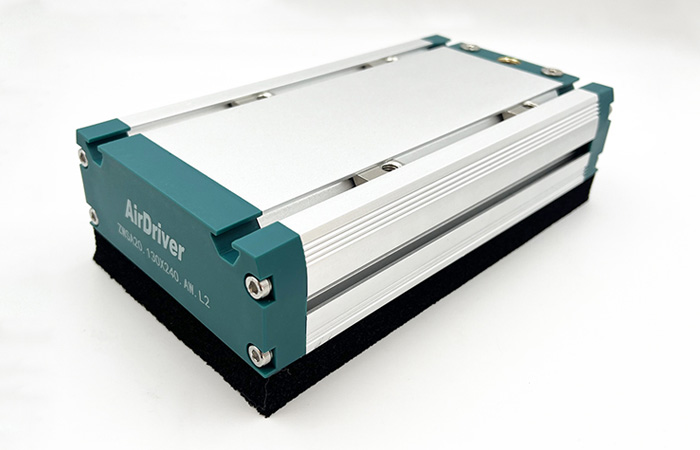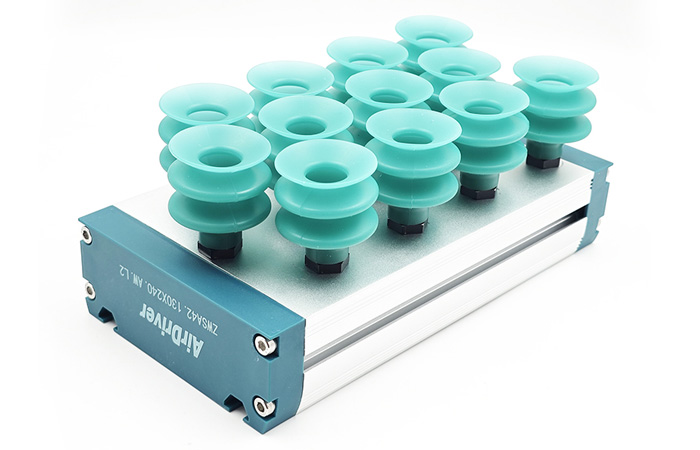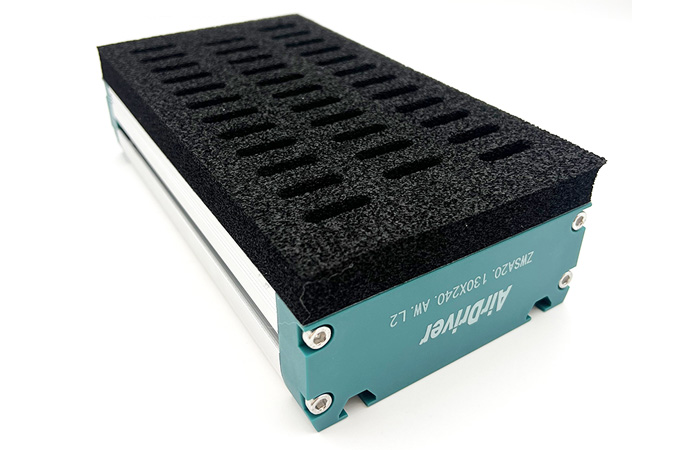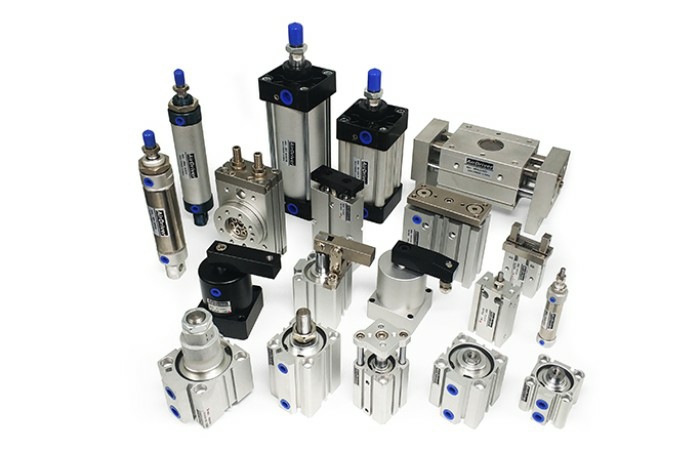


If you’re exploring smarter ways to optimize your production line, chances are you’ve come across Vacuum Suction Grippers. These compact yet powerful tools are quietly transforming modern manufacturing. From delicate packaging to heavy-duty material handling, they offer a flexible, efficient, and surprisingly elegant solution. So… how do they actually work—and why are so many procurement professionals choosing them?

At its core, a Vacuum Suction Gripper operates on a simple but powerful physical principle: pressure differential.
Here’s how it works in practice:
You’re not “pulling” the object—you’re letting air pressure do the work for you.
| Component | Function | Common Options | Application Impact |
|---|---|---|---|
| Vacuum Generator | Creates suction force | Pump / Venturi | Determines efficiency & energy use |
| Suction Cups | Contact surface | Silicone, rubber, foam | Affects grip reliability |
| Valves | Control airflow | Check valves, solenoid valves | Maintains vacuum stability |
| Sensors | Monitor pressure | Vacuum switches | Improves precision & safety |
| Mounting System | Connects to robot | EOAT brackets | Enables integration |
Let’s say you’re handling glass panels in a factory.
A mechanical gripper? Risk of scratches or breakage.
A Suction Gripper? It gently lifts the panel using evenly distributed suction—no pressure points, no damage.
That’s why industries like automotive and electronics rely heavily on this technology.

You’re not just buying a tool—you’re investing in operational efficiency.
Here’s what makes Vacuum Grippers stand out:
One of AirDriver’s clients in the packaging industry switched from mechanical clamps to Vacuum Suction Cups.
Result?
Not bad for a single upgrade.

Walk into any modern factory, and you’ll likely find Robotic Grippers powered by vacuum systems.
Why?
Because automation is no longer optional—it’s a competitive necessity.
And Vacuum Grippers fit perfectly into this shift.
You’ll see Industrial Grippers used in:
Are they perfect? Not always.
Highly porous materials or extremely rough surfaces can reduce suction efficiency. But with the right design (foam cups, multi-zone systems), even those challenges can be mitigated.
Choosing the right system isn’t just technical—it’s strategic.
| Application Type | Recommended Cup | Vacuum Source | Key Benefit |
|---|---|---|---|
| Glass handling | Flat silicone | Pump | Strong, stable grip |
| Carton boxes | Foam pad | Venturi | Handles uneven surfaces |
| Metal sheets | Rubber flat cup | Pump | High load capacity |
| Food items | FDA silicone | Venturi | Hygienic handling |
| Electronics | Small precision cups | Pump | High accuracy |
Don’t just look at upfront cost.
Look at:
Sometimes a slightly higher investment saves you a lot more long-term.
You’re probably already thinking about smart factories, right?
Vacuum Suction Grippers integrate easily with:
They’re not just tools—they’re part of a connected ecosystem.
Unlike mechanical clamps:
By now, you can see that Vacuum Suction Grippers aren’t just another component—they’re a strategic upgrade for your entire production system. They combine precision, flexibility, and efficiency in a way that traditional gripping methods simply can’t match. Whether you’re handling fragile electronics or heavy industrial materials, the right Suction Gripper can dramatically improve your workflow.
If you’re evaluating automation solutions, this is one area where you shouldn’t cut corners. Partnering with an experienced manufacturer like AirDriver ensures you get a system tailored to your exact needs—optimized for performance, durability, and ROI.
Ready to upgrade your material handling system? Reach out to AirDriver today and discover how the right vacuum solution can transform your operations.
They are widely used in packaging, automotive, electronics, food processing, and logistics industries.
Yes. With fewer moving parts, maintenance is minimal—mostly cleaning and occasional component checks.
Vacuum grippers are better for delicate, flat, or smooth objects, while mechanical grippers suit irregular or porous items.
Absolutely. They provide gentle, non-damaging handling, ideal for glass, electronics, and food.
Yes. They are commonly used as robotic end-of-arm tools (EOAT) and integrate بسهولة with automation systems.
Optimize suction cup design, ensure proper sealing, and choose the right vacuum source.
Yes, with the correct cup size and system configuration.
Larger cups provide more holding force but require more vacuum capacity.
Highly porous or rough surfaces can reduce suction efficiency.
With proper maintenance, they can last several years, depending on usage conditions.