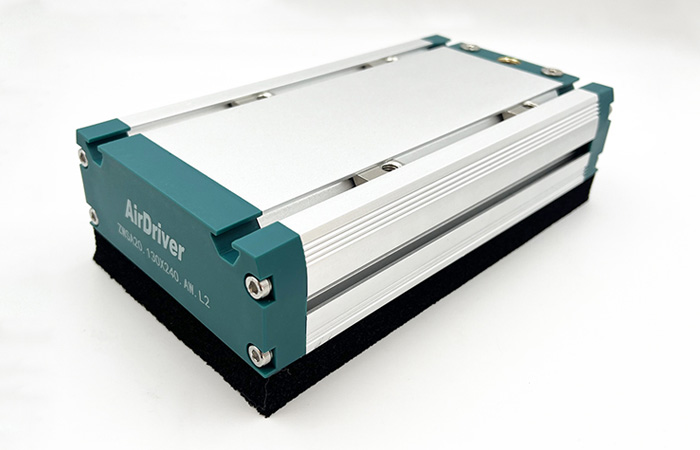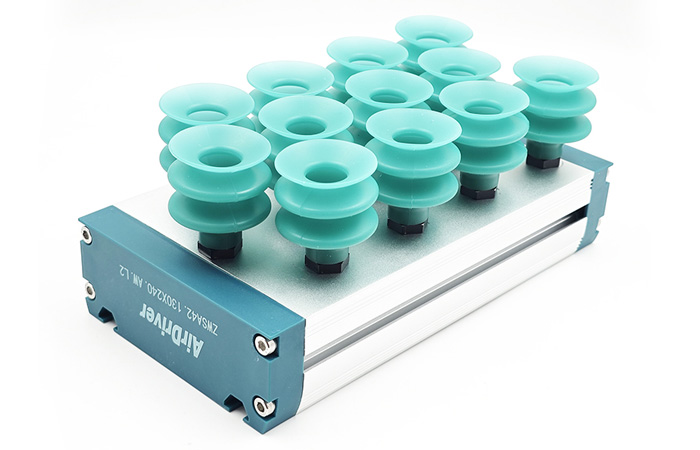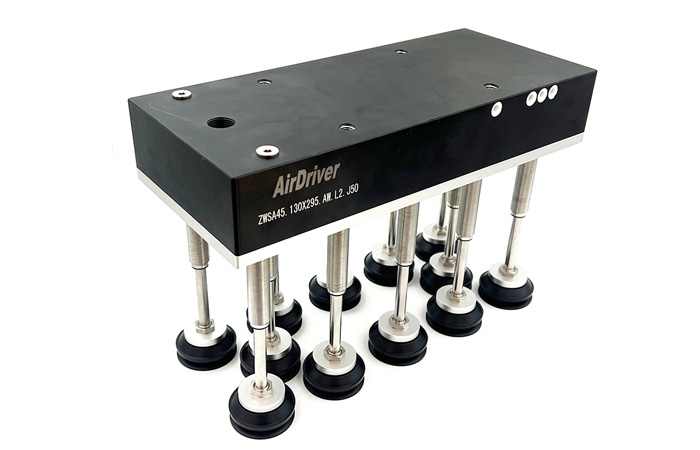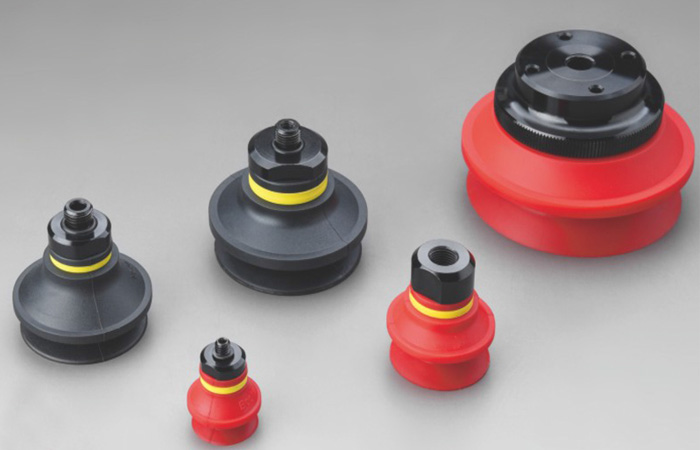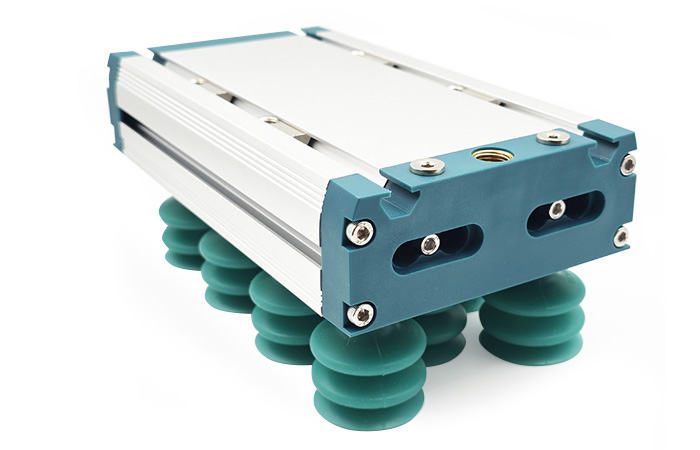


In modern factories, every second of downtime and every wasted watt matters. That is exactly why more manufacturers are replacing traditional pneumatic systems with electric vacuum gripper solutions. From electronics assembly to warehouse automation, electric vacuum technology helps you reduce maintenance expenses, improve handling precision, and lower labor dependency. If you are a procurement manager searching for long-term ROI rather than just a low purchase price, this guide will help you understand why electric vacuum systems are becoming the preferred choice in smart manufacturing.
Production costs are no longer only about machine prices. Today, you must consider energy consumption, labor efficiency, maintenance frequency, downtime risks, and production flexibility. A high-quality Electrical Vacuum Gripper can influence all of these factors simultaneously.
Many factories initially hesitate because electric systems may appear more expensive upfront. But after 12–24 months of operation, the numbers usually tell a different story.

Traditional pneumatic systems rely heavily on air compressors, air hoses, filters, and valves. Over time, leaks develop. Moisture accumulates. Pressure becomes unstable. Maintenance teams spend hours troubleshooting issues that slowly drain production efficiency.
An Electric Vacuum Gripper eliminates many of these hidden maintenance burdens.
Unlike compressed-air systems, electric vacuum solutions use integrated electric vacuum generators or compact pumps with fewer moving parts. That means:
● Lower air leakage risk
● Fewer tubing failures
● Reduced compressor maintenance
● Cleaner factory environments
● Longer operational stability
● Easier troubleshooting
Another overlooked advantage is predictive maintenance. Many modern electric grippers include integrated sensors that allow operators to monitor suction performance in real time. If vacuum pressure drops, the system warns operators before failures occur.
You are not simply buying a gripper anymore. You are investing in process visibility.
Efficiency gains are usually the first measurable benefit after installation.
An advanced Robotic Vacuum Gripper improves cycle consistency because vacuum pressure can be digitally controlled. That precision matters when you are handling delicate products like:
● Glass panels
● Semiconductor wafers
● Flexible packaging
● Thin metal sheets
● Consumer electronics
● Medical products
Electric vacuum systems also respond faster in many automated handling applications. Faster gripping and release cycles translate directly into higher throughput.
Here is a practical comparison:
| Feature | Pneumatic Vacuum System | Electric Vacuum Gripper |
|---|---|---|
| Energy Consumption | High | Lower |
| Noise Level | Loud | Quiet |
| Precision Control | Limited | Excellent |
| Maintenance Frequency | Frequent | Lower |
| Integration Complexity | Moderate | Easier |
| Data Monitoring | Basic | Advanced |
In smart factories, production data matters almost as much as mechanical performance. Electric grippers can integrate with Industry 4.0 systems, allowing you to monitor:
● Suction stability
● Cycle counts
● Product handling success rates
● Energy usage
● Maintenance schedules
That level of visibility gives purchasing managers stronger long-term control over operating costs.

Labor shortages are affecting manufacturers almost everywhere. Even factories with stable staffing often struggle with repetitive manual handling tasks that lead to fatigue, inconsistency, or injuries.
This is where Automated Material Handling systems become essential.
When integrated with collaborative robots or industrial robotic arms, electric vacuum grippers automate repetitive handling operations such as:
● Pick and place
● Palletizing
● Packaging
● Sorting
● Machine tending
● Product transfer
You reduce labor dependency while improving output consistency.
One electronics supplier in Vietnam integrated electric vacuum grippers with six collaborative robots on a PCB assembly line. Within eight months, the company reduced manual handling labor by 40% while increasing throughput by nearly 18%.
The purchasing department initially focused on equipment cost.
The operations team focused on labor savings.
In the end, both teams were satisfied.
That is usually the sign of a successful automation investment.
Understanding the operating principle helps you evaluate product quality before purchasing.
So… How Does A Vacuum Gripper Work exactly?
A vacuum gripper creates negative pressure between the suction cup and the object surface. Once air is removed, atmospheric pressure pushes the object firmly against the suction pad.
The process is surprisingly simple:
● The vacuum generator creates suction.
● Air is removed from the suction cup.
● Pressure difference creates holding force.
● The robot moves the product safely.
● Vacuum release disengages the product.
Electric systems control this process electronically rather than relying solely on compressed air.
Modern Robotic End Effector systems often include:
● Smart vacuum sensors
● Adjustable suction force
● Automatic leak detection
● Soft-contact gripping
● Digital communication protocols
● Energy-saving standby modes
Some advanced systems can even detect whether a product has been successfully picked before the robot moves.
That reduces product drops dramatically.
And honestly… dropped products are more expensive than many buyers realize. Not just damaged goods, but also downtime, cleanup, operator intervention, and production delays.
Electric vacuum technology has expanded far beyond simple pick-and-place applications.
Today, almost every manufacturing sector uses some form of Robotic Vacuum Gripper automation.
Packaging lines demand speed, precision, and continuous uptime.
Electric vacuum grippers are widely used for:
● Carton handling
● Flexible pouch transfer
● Bottle movement
● Food packaging
● Label placement
● Tray loading
Compared with traditional systems, electric grippers improve line cleanliness because they eliminate excessive compressed-air exhaust.
That is particularly important in food and pharmaceutical environments.
● Faster cycle times
● Lower product damage
● Improved hygiene
● Reduced energy use
● Stable gripping performance
Electronics components are lightweight, delicate, and extremely sensitive to handling pressure.
An Electrical Vacuum Gripper provides precise force control, making it ideal for:
● PCB handling
● Smartphone assembly
● Semiconductor transfer
● LCD panel movement
● Battery manufacturing
● Precision inspection systems
Traditional clamping systems may scratch or deform delicate products.
Vacuum gripping avoids direct mechanical compression.
That matters enormously when defect rates are measured in fractions of a percent.
Some electronics factories even use anti-static vacuum cups to minimize electrostatic discharge risks.
If you are sourcing automation for electronics manufacturing, ESD-safe compatibility should absolutely be on your checklist.
Automotive production lines are becoming increasingly automated.
Vacuum grippers help move:
● Windshields
● Metal sheets
● Interior panels
● Plastic components
● EV battery modules
● Dashboard assemblies
Large payload handling requires stable suction performance and intelligent safety monitoring.
Electric systems are particularly useful because they allow controlled vacuum adjustment depending on product size and weight.
That flexibility reduces tooling changes between production runs.
And yes… fewer tooling changes mean lower operational costs.
Automotive manufacturers value that more than flashy specifications.
● Stable heavy-load handling
● Reduced operator fatigue
● Faster assembly processes
● Improved production repeatability
● Safer robotic collaboration
Glass handling is one of the most demanding applications for vacuum technology.
Products are fragile, smooth, and expensive.
A high-quality Electric Vacuum Gripper ensures:
● Uniform suction distribution
● Gentle product handling
● Stable transportation
● Minimal surface damage
● Reliable safety monitoring
Solar panel manufacturers especially benefit from electric vacuum systems because energy-efficient automation aligns with broader sustainability goals.
Some manufacturers also reduce factory noise significantly after removing large pneumatic compressor systems.
That improvement is rarely highlighted in sales brochures—but operators appreciate it every day.
E-commerce growth has dramatically increased demand for intelligent material handling.
Warehouses now use Collaborative Robot Gripper systems for:
● Parcel sorting
● Box picking
● Order fulfillment
● Automated storage systems
● Mixed-product handling
● Robotic palletizing
Electric vacuum grippers adapt well to variable product sizes, making them highly suitable for modern logistics environments.
Flexibility is becoming more important than raw speed.
That is a major shift happening across automation markets right now.
Collaborative robots—or cobots—require lightweight, safe, and flexible end-of-arm tooling.
Electric vacuum technology fits perfectly.
Cobots are designed for agility and workspace flexibility.
Heavy pneumatic infrastructure can reduce that advantage.
An Electric Vacuum Gripper offers:
● Smaller footprint
● Reduced tubing
● Lightweight construction
● Easier mounting
● Simplified deployment
Compact systems also allow better robot reach and motion efficiency.
That may sound minor, but even small weight reductions improve robotic cycle performance over time.
Safety is critical in collaborative automation environments.
Electric systems typically provide more controllable suction force and smoother operation than traditional pneumatic systems.
This helps reduce risks such as:
● Sudden product release
● Excessive gripping force
● Unexpected air-pressure fluctuations
● Loud compressor noise
● Hazardous hose failures
Some systems also include emergency vacuum retention features during power interruptions.
That extra layer of protection matters when humans and robots share workspace zones.
Smart factories need adaptable automation.
Electric vacuum systems are easier to reconfigure because they require less centralized pneumatic infrastructure.
That means faster deployment for:
● Production line expansion
● Product changes
● Pilot automation projects
● Flexible manufacturing cells
● Small-batch production
Factories increasingly want scalable automation rather than fixed systems designed for only one product type.
Electric grippers support that transition very well.
Modern automation systems depend on communication compatibility.
An advanced Robotic End Effector should integrate smoothly with:
● Cobots
● PLC systems
● Vision inspection systems
● AI-driven automation software
● Industrial Ethernet protocols
● Smart factory monitoring platforms
Electric vacuum grippers often include built-in digital communication support, simplifying installation and diagnostics.
That reduces engineering time during deployment.
And reduced engineering hours absolutely affect your real project cost.
Many buyers search online for Vacuum Gripper Price comparisons without realizing how widely prices vary.
There is no universal pricing formula.
The total cost depends on several technical factors.
Different vacuum generation methods impact pricing significantly.
Common types include:
● Electric vacuum pumps
● Venturi vacuum generators
● Hybrid vacuum systems
● Smart adaptive vacuum modules
Higher efficiency systems typically cost more initially but reduce long-term operational expenses.
That tradeoff is usually worth evaluating carefully.
Larger payload requirements require:
● Stronger suction systems
● Larger vacuum cups
● Reinforced structures
● Advanced safety features
Naturally, higher payload capacity increases pricing.
However, oversized systems can waste energy unnecessarily.
Choosing the correct specification is more important than simply buying the “strongest” option.
A properly sized gripper usually delivers better ROI.
Integrated smart features increase upfront investment but improve operational performance.
Examples include:
● Vacuum pressure sensors
● Object detection
● Leak monitoring
● IoT connectivity
● Predictive maintenance systems
● Energy optimization controls
For high-volume manufacturing, these features often pay for themselves through reduced downtime.
Custom vacuum grippers cost more because they require:
● Specialized engineering
● Application testing
● Custom tooling
● Unique suction cup configurations
● Software adjustments
Still, customized systems may dramatically improve handling stability in complex applications.
Many factories discover that standardized grippers create hidden inefficiencies over time.
Customization is not always expensive—it can actually reduce long-term costs.
Supplier quality matters more than many buyers initially expect.
A low-cost vacuum gripper may appear attractive during procurement but create expensive problems later:
● Poor suction consistency
● Frequent maintenance
● Limited spare parts
● Weak technical support
● Unstable software integration
Reliable manufacturers like AirDriver focus on long-term operational reliability rather than only upfront pricing.
When evaluating suppliers, you should consider:
● Technical support capability
● Manufacturing experience
● Global shipping support
● Certification compliance
● Integration assistance
● Spare parts availability
A cheaper supplier is not always a cheaper solution.
Honestly… experienced procurement managers already know this.
A high-quality electric vacuum gripper typically lasts 5–10 years depending on operating conditions, maintenance routines, and production intensity. Proper installation and regular inspection can extend service life significantly.
Yes, but maintenance requirements are usually lower than pneumatic systems. Common maintenance tasks include checking suction cups, cleaning filters, inspecting sensors, and monitoring vacuum performance.
Electric systems provide stable vacuum control, predictive maintenance alerts, and intelligent diagnostics. These features help identify issues before failures stop production.
In many applications, yes. Electric vacuum systems often consume less energy because they eliminate continuous compressed-air usage associated with traditional pneumatic setups.
Yes. Specialized suction cups and adaptive vacuum systems allow handling of curved, textured, or uneven products in various industries.
Reliable manufacturers usually provide strong technical support, customization capability, consistent product quality, and integration expertise. AirDriver is recognized by many industrial buyers for automation-focused vacuum gripping solutions.
Payload capacity varies widely depending on design. Small units may handle lightweight electronics, while industrial systems can lift large glass panels or automotive components.
Absolutely. Electric vacuum grippers are commonly used in electronics production because they provide gentle handling and precise control for delicate components.
You should evaluate payload capacity, product surface type, cycle speed, energy consumption, integration compatibility, maintenance requirements, and supplier support quality.
Yes. Many electric vacuum grippers are specifically designed for high-speed automation and can maintain stable suction performance during rapid production cycles.
Choosing the right Electric Vacuum Gripper is not only about automation—it is about long-term cost control, operational stability, and manufacturing flexibility. As factories move toward smarter production environments, electric vacuum systems offer clear advantages in energy efficiency, maintenance reduction, and intelligent process monitoring. Whether you operate in packaging, electronics, automotive, or logistics, a reliable Robotic Vacuum Gripper can help you improve throughput while lowering hidden operational costs. If you are planning to upgrade your automation system, AirDriver can provide customized vacuum gripping solutions designed for modern industrial applications. Now may be the right time to rethink how your factory handles materials—and how much unnecessary cost your current system still carries.