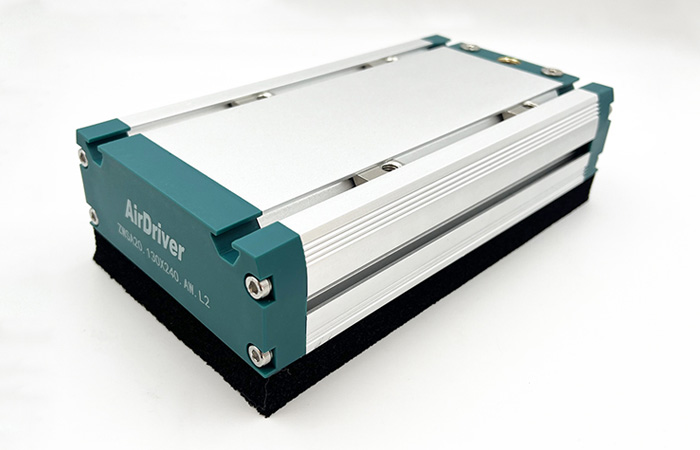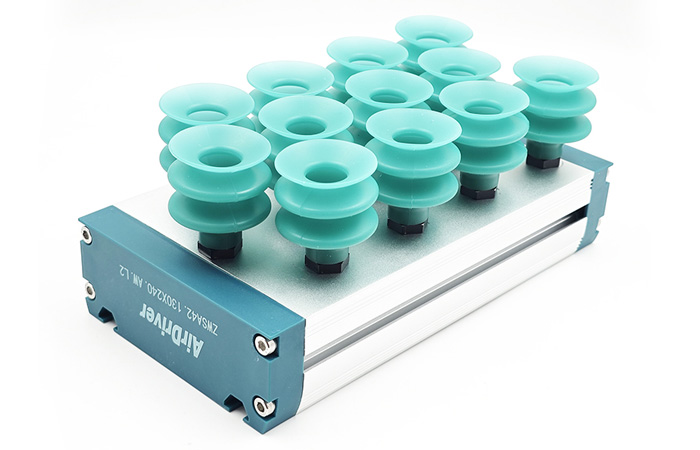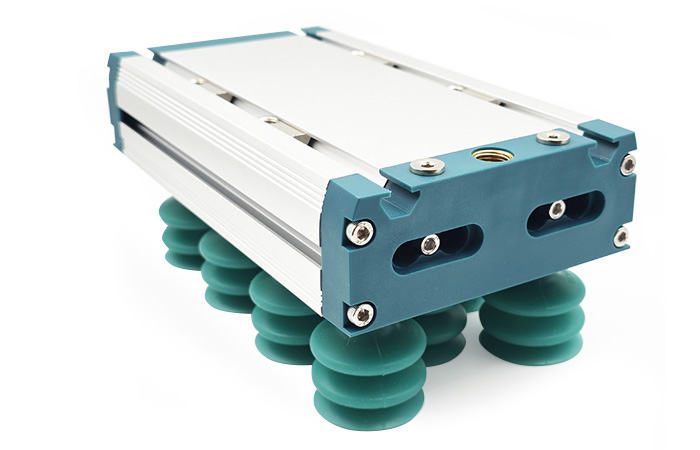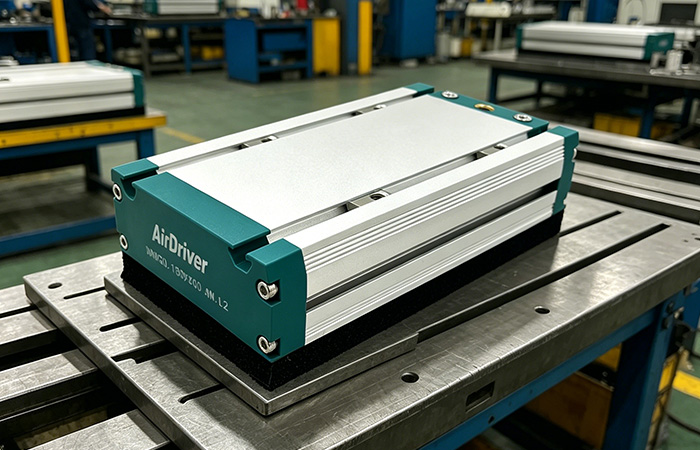


In modern food production, speed alone is no longer enough. You also need precision, hygiene, low waste, and stable automation performance across different packaging formats. That’s exactly why Pneumatic Suction Gripper systems are becoming essential in food packaging lines worldwide. From bakery products to frozen meals and snack pouches, these systems help manufacturers increase throughput while reducing handling errors and labor dependency.
Speed matters in food packaging. Whether you are handling biscuit trays, vacuum-sealed meat packs, chocolate boxes, or flexible snack bags, delays during transfer operations can slow down the entire production line.
A high-quality Suction Cup Gripper can dramatically increase pick-and-place speed because pneumatic systems react almost instantly. Unlike slower mechanical gripping systems, vacuum suction technology creates quick attachment and release cycles, allowing products to move continuously without interruption.

Many procurement managers initially focus only on robot speed specifications. But honestly… the gripper itself often becomes the real bottleneck. An inefficient gripper can reduce overall packaging output even when the robotic arm is capable of higher cycle times.
With AirDriver pneumatic solutions, manufacturers typically achieve:
● Faster cycle times in automated handling
● Reduced downtime between product transfers
● Stable gripping force during rapid movement
● Improved line synchronization
● Better compatibility with lightweight packaging materials
Food products are fragile. Crackers break. Bread deforms. Plastic film tears. Soft fruit bruises easily.
This is where pneumatic vacuum technology becomes extremely valuable.
A properly designed Vacuum Gripper For Food Packaging uses distributed suction force rather than concentrated mechanical pressure. Instead of squeezing products aggressively, the suction cup gently secures the item through negative pressure.
That small difference has huge operational consequences.
| Packaging Challenge | Traditional Mechanical Gripper | Pneumatic Suction Solution | Operational Result |
|---|---|---|---|
| Soft bread deformation | High pressure contact | Gentle vacuum hold | Better product appearance |
| Thin film bag tearing | Uneven gripping force | Stable suction surface | Lower packaging waste |
| Fragile snack crushing | Mechanical compression | Non-contact style lifting | Reduced rejected products |
| Wet package slipping | Inconsistent clamping | Adaptive suction cups | Improved transfer stability |
| Irregular food containers | Poor alignment | Flexible cup adaptation | Higher packaging accuracy |
Many buyers underestimate how expensive product waste actually becomes over time.

A damaged package is not just a damaged package.
You lose:
● Packaging material
● Product value
● Production time
● Labor efficiency
● Brand image
And in food manufacturing, consistency directly impacts retailer confidence.
One AirDriver client producing premium confectionery products reported a 17% reduction in packaging waste after implementing customized Industrial Pneumatic Gripper systems with food-grade silicone suction cups.
That number matters more than people think.
Labor shortages continue affecting food manufacturing worldwide. High turnover, training costs, and repetitive handling tasks create operational pressure for packaging facilities.
A properly integrated Pneumatic Robot Gripper helps reduce manual intervention while maintaining production consistency.
Instead of relying on operators to manually sort, move, and place products, automated suction systems perform repetitive tasks with stable accuracy throughout long production cycles.
You gain:
● Consistent positioning accuracy
● Reduced operator fatigue
● Lower labor dependency
● Improved packaging uniformity
● Better production forecasting
And perhaps more importantly, automation reduces variability.
Humans naturally become slower during long shifts. Machines do not.
That consistency becomes extremely valuable when your customers demand precise packaging appearance and reliable delivery schedules.
In one dairy packaging application, AirDriver supplied a multi-cup Suction Cup Gripper configuration capable of handling yogurt containers at high speed without tilting or misalignment. The manufacturer reduced manual labor requirements by almost 40% on that production line.
The purchasing manager later mentioned something interesting:
The biggest benefit was not labor reduction alone — it was predictable output stability.
That’s an important distinction.
Some buyers hesitate to upgrade gripper systems because they worry about complicated installation or maintenance requirements.
Actually, modern pneumatic vacuum systems are often simpler than expected.
Most Automation Suction Gripper solutions integrate smoothly with:
● Collaborative robots
● Delta robots
● SCARA robots
● Cartesian systems
● High-speed conveyor lines
AirDriver designs many of its grippers with modular structures, allowing procurement teams to adapt tooling layouts based on production changes.
That flexibility matters because food packaging lines rarely stay identical forever.
You may switch:
● Packaging sizes
● Product shapes
● Tray dimensions
● Film materials
● Production speeds
A modular pneumatic solution helps future-proof your automation investment.
Maintenance is also relatively straightforward compared with certain mechanical gripping technologies.

Typical maintenance tasks include:
● Checking vacuum lines
● Replacing suction cups
● Inspecting filters
● Monitoring air pressure
● Cleaning food-contact surfaces
Because pneumatic systems contain fewer complex moving components, downtime risks are often lower than expected.
And honestly… maintenance teams usually prefer simpler systems.
The versatility of pneumatic vacuum technology is one reason it dominates food automation applications.
You can find Pneumatic Suction Gripper systems across almost every food category.
Bakery items require delicate handling due to soft surfaces and irregular shapes.
Vacuum grippers help transfer:
● Bread loaves
● Cakes
● Cookies
● Pastries
● Donuts
Soft silicone suction cups minimize deformation while maintaining production speed.
Frozen products create unique handling challenges because of moisture, temperature variation, and slippery surfaces.
AirDriver pneumatic systems are commonly used for:
● Frozen meal trays
● Vacuum-packed seafood
● Frozen pizza packaging
● Ice cream box handling
Specialized suction materials help maintain gripping performance even in low-temperature environments.
Flexible pouches are notoriously difficult to handle using mechanical clamps.
A properly engineered Vacuum Gripper For Food Packaging can efficiently transfer:
● Potato chip bags
● Candy pouches
● Granola packages
● Coffee sachets
Vacuum systems reduce film damage while maintaining high throughput speeds.
Packaging lines for dairy and beverages often require high-speed synchronized handling.
Applications include:
● Yogurt cup transfer
● Juice carton handling
● Bottle cap placement
● Multi-pack movement
Multi-zone suction technology improves stability during rapid acceleration.
Food safety is critical in protein packaging environments.
AirDriver food-grade vacuum systems support:
● Vacuum-sealed meat packs
● Seafood trays
● Poultry packaging
● Modified atmosphere packaging lines
Easy-clean surfaces help manufacturers maintain hygiene compliance.
Choosing between pneumatic and alternative gripping technologies depends on your production goals, budget, and packaging requirements.
Still, pneumatic systems offer several major advantages.
Mechanical grippers physically clamp products.
That works well in some industries… but food packaging is different.
Food products are often:
● Fragile
● Flexible
● Lightweight
● Unevenly shaped
● Sensitive to pressure
A Pneumatic Suction Gripper handles these conditions more effectively because suction distributes force evenly.
Mechanical systems may also require more frequent mechanical adjustments when packaging formats change.
Magnetic systems only work with metal materials.
Food packaging lines use:
● Plastic film
● Paper cartons
● Flexible pouches
● PET containers
● Composite materials
Vacuum suction technology offers much broader compatibility.
Clamp systems sometimes struggle with thin packaging materials.
Vacuum systems reduce:
● Surface scratches
● Seal damage
● Product compression
● Packaging distortion
This becomes particularly valuable for premium retail packaging.
The comparison between pneumatic and electric systems is becoming increasingly common.
An Electric Suction Gripper offers programmable control and may reduce compressed air usage. However, pneumatic systems still dominate many food applications because they provide:
● Faster response times
● Lower initial investment
● Simpler maintenance
● Higher durability in wet environments
● Better suitability for continuous operation
For high-volume food packaging lines, pneumatic systems often remain the more economical long-term solution.
That said, electric systems can be attractive for smaller collaborative robot applications with lower cycle requirements.
So the “best” solution really depends on your operational priorities.
Pneumatic systems generally offer faster response speeds, lower upfront costs, and better durability for demanding food packaging environments. Electric suction systems provide more programmable control but may involve higher investment costs.
You should evaluate product weight, surface material, packaging shape, cycle speed, environmental conditions, and robot compatibility. AirDriver often recommends testing samples before finalizing gripper specifications.
They minimize excessive mechanical pressure during handling, reducing package deformation, film tearing, and product breakage during transfer operations.
Yes. Food-grade suction cups made from FDA-approved silicone or similar materials are commonly used in food processing and packaging environments.
Maintenance requirements are relatively low. Most systems only require regular inspection of vacuum lines, filters, suction cups, and air pressure settings.
Common materials include silicone, nitrile rubber, polyurethane, and FDA-approved elastomers designed for hygienic handling.
Absolutely. They are widely used for bakery items, chocolates, snack packaging, and delicate plastic containers because vacuum force distributes pressure evenly.
A properly maintained industrial pneumatic system can operate reliably for many years. Suction cups are consumable components and may require periodic replacement.
Food packaging, pharmaceuticals, electronics, logistics, automotive, and consumer goods industries all rely heavily on vacuum handling systems.
Yes. Modern Pneumatic Robot Gripper systems are compatible with collaborative robots, industrial robotic arms, and automated conveyor systems.
Yes. Specialized suction cup materials and sealed pneumatic designs allow reliable operation in refrigerated or high-moisture conditions.
Definitely. High-speed pick-and-place operations are one of the biggest advantages of pneumatic vacuum technology in food automation.
As food manufacturers continue pursuing faster production, lower waste, and higher automation reliability, Pneumatic Suction Gripper systems are becoming a critical investment rather than an optional upgrade. They help you improve packaging speed, reduce product damage, simplify maintenance, and maintain consistent output across demanding production schedules. Compared with many alternative gripping technologies, pneumatic vacuum systems still provide an excellent balance between performance, cost efficiency, and operational flexibility. AirDriver continues supporting food packaging companies with customized vacuum handling solutions designed for real industrial environments — not just laboratory conditions. If you are planning to upgrade your packaging automation system, now may be the perfect time to evaluate how the right suction gripper solution can improve your long-term production efficiency and profitability.