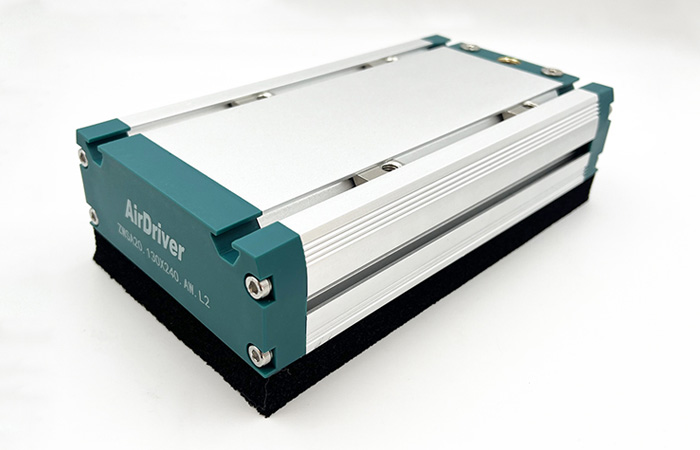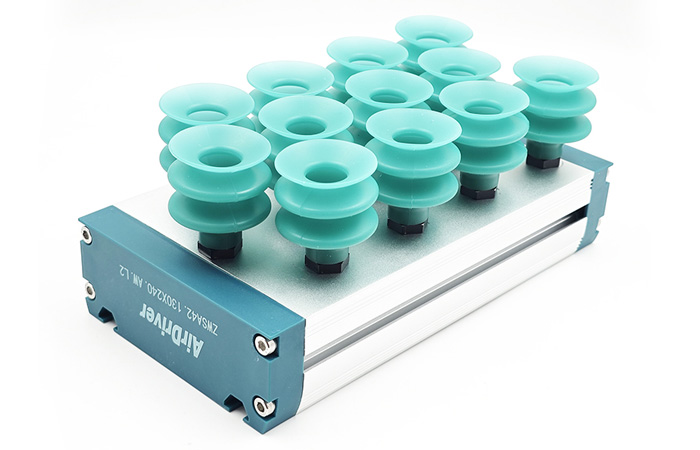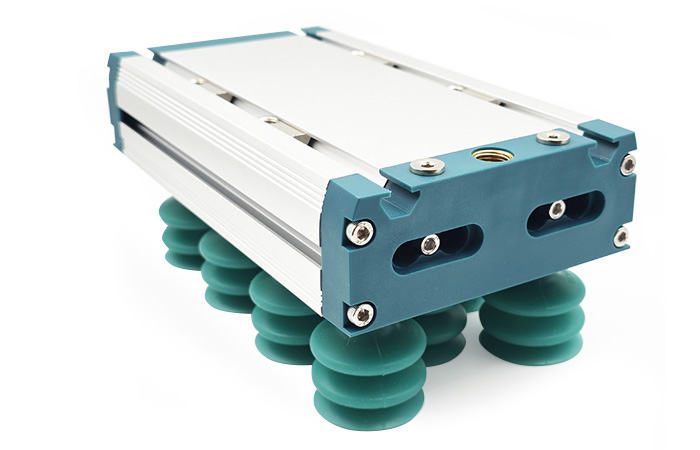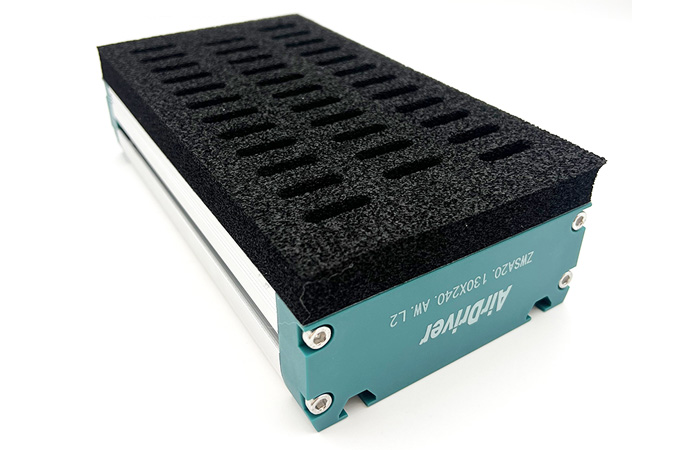


In modern light manufacturing, automation is no longer just a luxury—it’s a necessity. One of the standout tools enabling efficient, damage-free handling of products is the foam vacuum pad gripper. These innovative devices adapt to irregular surfaces, handle delicate items safely, and integrate seamlessly with robotic systems. If you’ve ever struggled with broken items, inconsistent pick-and-place processes, or limited flexibility in your automation setup, foam vacuum grippers may be exactly what your production line needs. Let’s explore how they are transforming industries and why partnering with a trusted foam vacuum gripper supplier like AirDriver can make all the difference.
Foam type vacuum grippers shine in packaging lines where cartons, boxes, and flexible packages need quick, precise movement. They conform to irregular surfaces, reducing the risk of crushing or tearing. Companies in FMCG sectors, such as snack or beverage manufacturers, have reported a 20–30% reduction in product damage after implementing foam vacuum grippers.
● Seamless integration with conveyor systems
● Adaptability to various box sizes and materials
● High-speed automation compatible

Electronics manufacturing demands careful handling of sensitive components. Traditional suction cups can leave marks or struggle with irregular shapes, but custom foam vacuum grippers provide a soft, adaptive grip. They reduce electrostatic discharge risks and minimize micro-scratches on PCBs.
● Gentle handling of delicate components
● Custom shapes for unique PCB layouts
● High repeatability in robotic pick-and-place tasks
Case Example: A PCB assembly line in Shenzhen implemented foam vacuum grippers for SMD transport, improving yield rates and reducing rework costs by 15%.
Injection-molded plastic parts often have uneven surfaces or soft edges, making traditional grippers prone to slippage. Pick and place vacuum grippers designed with foam contact surfaces adjust to these variations, ensuring secure handling.
● Handles irregular plastic profiles without deformation
● Compatible with automated molding line setups
● Reduces part rejections due to mishandling
Case Example: An automotive parts manufacturer in Italy integrated foam vacuum grippers for plastic intake components, achieving a 25% faster pick-and-place cycle while maintaining zero damage rate.
In food production, hygiene, speed, and gentle handling are critical. Foam vacuum grippers conform to various food packaging materials, including flexible pouches, jars, and cartons, without compromising safety or speed.
● Food-grade foam options available
● Reduces product bruising or deformation
● Compatible with collaborative robots for flexible production
Case Example: A European juice manufacturer reduced spoilage by 18% after switching to foam vacuum grippers for automated bottle handling.
Wood pieces can be heavy, irregular, and prone to scratches. Foam vacuum grippers protect surfaces during automated handling while maintaining a firm grip. They are excellent for lifting panels, furniture parts, and plywood sheets.
● Soft contact reduces surface damage
● Handles large, uneven wood panels
● Integrates with robotic arms for precision placement
In logistics, flexibility is everything. Foam vacuum grippers allow automated systems to pick packages of different shapes, sizes, and weights without constant adjustment. They streamline warehouse sorting, palletizing, and order fulfillment.
● Adaptable to mixed SKU warehouses
● Reduces product jams and misplacement
● Scales easily with high-speed conveyors
Unlike rigid suction cups, foam vacuum grippers conform to curves, soft surfaces, and textured items, ensuring a secure grip across a wide variety of products.
Automation with foam vacuum grippers often leads to faster cycle times and reduced line stoppages. With minimal adjustments, your line can handle multiple product types efficiently.
By distributing vacuum force evenly across the contact surface, foam vacuum grippers minimize dents, scratches, or deformation, especially on fragile items.
Investing in custom foam vacuum grippers often reduces the need for multiple tooling setups, lowering overall capital expenditures.
These grippers integrate smoothly with cobots, enhancing safety and flexibility in mixed human-robot workspaces.
Quick Comparison Table:
| Feature | Foam Vacuum Gripper | Standard Suction Cup |
|---|---|---|
| Surface Adaptability | High | Medium |
| Fragile Product Handling | Excellent | Moderate |
| Custom Shapes | Easy | Limited |
| Collaborative Robot Compatibility | High | Medium |
| Maintenance | Low | Moderate |
Evaluate the geometry, weight, and surface texture. Foam options can be tailored to delicate or irregular products.
Select grippers that match your product weight while maintaining a reliable vacuum grip.
Different foam densities and types affect grip, wear, and product protection. Food-grade, anti-static, or heat-resistant foams may be required.
Ensure your system provides sufficient vacuum flow and pressure for smooth pick-and-place operations.
Partnering with a trusted supplier ensures customization, technical support, and long-term reliability. AirDriver offers tailored solutions to match your exact production needs.
A professional supplier can design grippers that perfectly fit your products and robotic systems.
Proper integration ensures your automation setup runs smoothly and efficiently.
Trusted suppliers provide durable, high-performance components, reducing maintenance and downtime.
Suppliers like AirDriver create grippers tailored to specific shapes, materials, or speed requirements.
International support ensures spare parts, technical consultation, and consistent quality across all facilities.
How Much Does A Foam Vacuum Gripper Cost?
Costs vary by size, customization, and foam material. Standard models start at a few hundred dollars, while highly customized units may cost more.
Can Foam Vacuum Grippers Handle Uneven Surfaces?
Absolutely. Foam grippers are designed to conform to irregular and textured surfaces.
What Are The Advantages Of Custom Foam Vacuum Grippers?
Custom units ensure optimal grip, minimal damage, and compatibility with your robotic systems.
How Do I Choose The Right Vacuum Gripper System Foam Type?
Consider product weight, surface finish, temperature, and operational speed. A trusted supplier can recommend the best foam material.
Are Foam Vacuum Grippers Suitable For High-Speed Automation?
Yes. With proper vacuum flow and robotic integration, foam grippers can operate at high speeds without compromising safety.
What Is Difference Between Foam Vacuum Grippers And Suction Cups?
Foam grippers adapt to irregular surfaces, offer better handling for delicate items, and reduce product damage compared to standard suction cups.
Foam vacuum grippers are transforming light manufacturing with their adaptability, efficiency, and gentle handling. Whether you’re automating packaging, electronics, plastics, or logistics, these grippers reduce product damage, boost production, and simplify operations. Partnering with a professional supplier like AirDriver ensures tailored solutions, technical support, and long-term reliability. Upgrade your production line today with foam vacuum technology and see measurable improvements in efficiency and product safety.