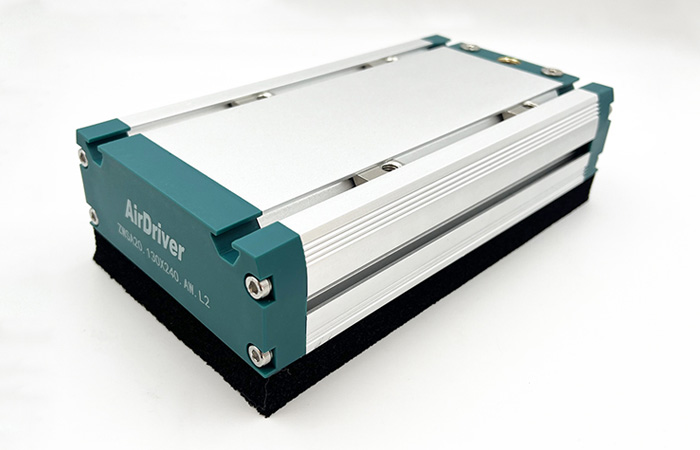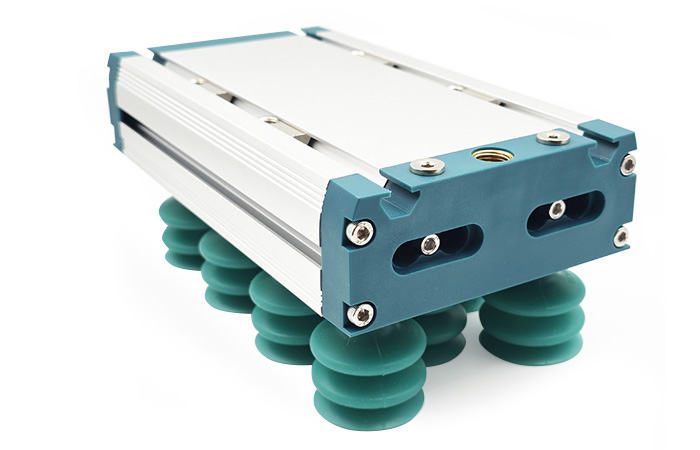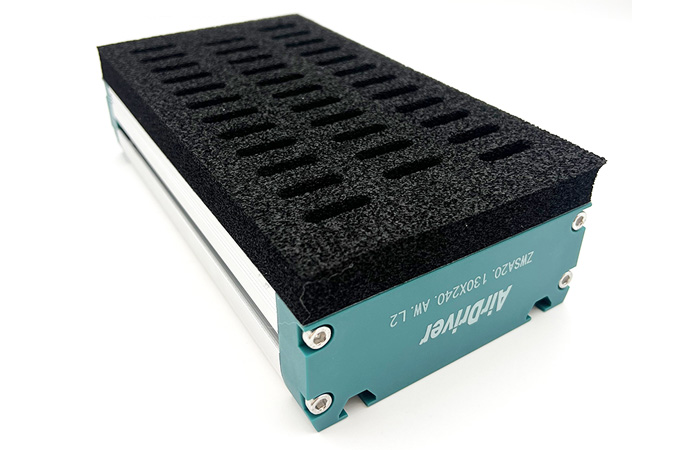


Robot vacuum grippers are widely used in automated manufacturing, packaging, logistics, and robotic handling applications due to their flexibility and efficiency. Selecting the right Robot Vacuum Gripper requires evaluating workpiece characteristics, payload requirements, robot compatibility, operating environment, and supplier capability. This guide explains key selection factors and helps industrial buyers choose reliable vacuum gripping solutions for long-term automation performance.
A Robot Vacuum Gripper is an end-of-arm tooling (EOAT) solution that uses vacuum pressure to securely pick, hold, and move different workpieces through robotic systems. Compared with traditional mechanical grippers, vacuum grippers provide flexible handling capabilities, especially for products with smooth, delicate, or irregular surfaces.
For industrial applications, choosing the correct robot vacuum gripping system directly affects production efficiency, equipment reliability, and maintenance costs.
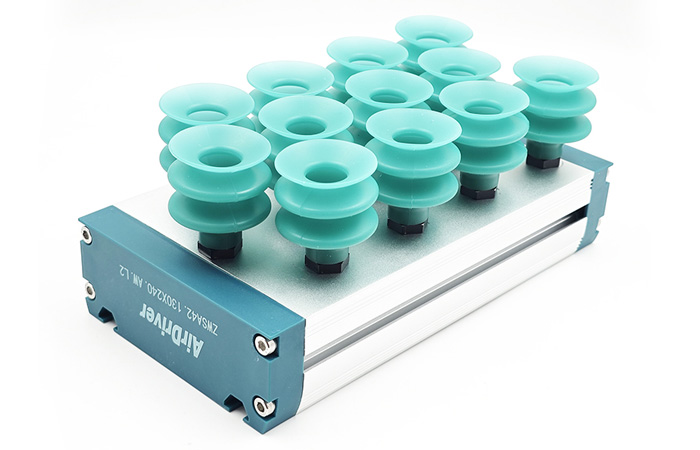
A suitable Robot Vacuum Gripper should be selected based on the following factors:
| Selection Factor | Key Considerations | Impact On Application |
|---|---|---|
| Workpiece Material | Surface condition, porosity, shape, and material type | Determines suitable vacuum suction cup design and gripping stability |
| Payload Capacity | Product weight, safety factor, and suction force requirements | Ensures reliable and safe handling |
| Robot Compatibility | Robot model, mounting interface, and communication requirements | Improves integration efficiency |
| Production Speed | Cycle time, robot movement speed, and response requirements | Affects productivity and operational stability |
| Working Environment | Temperature, dust, moisture, and contamination levels | Determines material selection and protection requirements |
The first step when selecting a Robot Vacuum Gripper is analyzing the workpiece material and surface characteristics. Different materials require different vacuum gripping methods because suction performance depends heavily on surface sealing conditions.
A vacuum gripper works best when the vacuum suction cup can create a stable seal with the workpiece surface.
Different materials require different suction cup designs and materials.
| Workpiece Material | Recommended Vacuum Solution | Application Examples |
|---|---|---|
| Glass and metal sheets | High sealing vacuum suction cups | Glass processing, sheet metal handling |
| Plastic components | Flexible suction cups with stable gripping force | Injection molding automation |
| Cardboard and packaging materials | Large-area vacuum gripping solutions | Packaging and logistics systems |
| Wood and porous materials | Special vacuum solutions with higher airflow capacity | Furniture manufacturing and panel handling |
Before selecting a Universal Robot Vacuum Gripper, manufacturers should evaluate:
For example, a robotic system handling electronic components requires a different vacuum gripping solution compared with a system moving heavy metal parts.
AirDriver provides customized pneumatic vacuum gripping solutions according to different workpiece characteristics. Through OEM customization capability and application experience, AirDriver helps customers select suitable robot vacuum gripping systems for various industrial requirements.
Payload capacity is one of the most important factors when selecting a Robot Vacuum Gripper. An incorrectly sized gripper may result in unstable handling, product damage, or unexpected production downtime.
The required suction force depends on:
A basic calculation principle is:
Required suction force = Workpiece weight × Safety factor
In real industrial applications, additional factors should also be considered:
| Factor | Why It Matters |
|---|---|
| Robot acceleration | Higher movement speed creates additional gripping requirements. |
| Surface condition | Uneven or rough surfaces reduce effective suction force. |
| Operating angle | Vertical handling requires higher gripping stability. |
| Safety requirements | Prevents accidental dropping during operation. |
A Robot Vacuum Gripper may use different numbers and types of vacuum suction cups depending on the application.
Common configurations include:
Selecting the correct configuration improves gripping reliability and extends equipment service life.
AirDriver supports OEM customization for different payload requirements, helping customers develop optimized vacuum gripping solutions instead of using unsuitable standard products.
A Robot Vacuum Gripper must be compatible with the industrial robot system to ensure smooth installation and operation.
Before purchasing, buyers should evaluate:
The selection process should include:
For manufacturers integrating robotic automation, compatibility reduces installation time and prevents costly modifications.
A professional Robot Vacuum Gripper Supplier should provide technical support during the selection and integration process.
AirDriver has experience supporting industrial automation projects and provides customized pneumatic vacuum gripping solutions for different robotic applications, helping customers achieve efficient integration and stable production.
Production speed is another important consideration for robotic automation applications. High-speed production lines require Robot Vacuum Grippers with fast response, stable suction performance, and reliable operation.
When evaluating cycle requirements, buyers should consider:
In automated production environments, even a small delay in each cycle can significantly affect overall output.
A high-performance vacuum gripping system should provide:
| Performance Requirement | Benefit |
|---|---|
| Fast vacuum generation | Reduces picking time |
| Stable gripping force | Improves production consistency |
| Durable components | Reduces maintenance frequency |
| Reliable operation | Minimizes production downtime |
For high-speed automation applications, selecting an experienced Robot Vacuum Gripper China manufacturer with strong engineering capability can provide better long-term value.
The operating environment has a significant impact on the performance and service life of a Robot Vacuum Gripper. Industrial applications often involve dust, oil, moisture, temperature fluctuations, or continuous operation, which can affect suction stability and component durability.
Before selecting a robot vacuum gripping solution, manufacturers should evaluate the actual working environment.
| Environmental Factor | Potential Impact | Recommended Solution |
|---|---|---|
| Dust and particles | May affect sealing performance and clog vacuum components. | Use suitable filtration systems and easy-to-maintain components. |
| Oil contamination | May reduce suction cup friction and sealing ability. | Select oil-resistant materials and perform regular cleaning. |
| High temperature | May accelerate material aging and deformation. | Choose temperature-resistant suction cup materials. |
| Humidity and moisture | May affect pneumatic components and connections. | Select suitable protection methods for humid environments. |
| Continuous operation | Increases wear caused by repeated cycles. | Select industrial-grade components designed for long-term operation. |
For demanding industrial applications, buyers should consider:
A suitable Robot Vacuum Gripper should not only provide sufficient gripping force but also maintain stable performance under real production conditions.
AirDriver provides customized pneumatic vacuum gripping solutions designed according to different application environments. With factory-direct manufacturing capability and industrial project experience, AirDriver helps customers select reliable solutions for demanding automation applications.
When selecting robotic end-of-arm tooling, manufacturers often compare Robot Vacuum Grippers with traditional mechanical grippers.
Both solutions have advantages depending on the application. The correct choice depends on workpiece characteristics, handling requirements, and production goals.
| Comparison Factor | Robot Vacuum Gripper | Traditional Mechanical Gripper |
|---|---|---|
| Working Principle | Uses vacuum pressure to hold workpieces. | Uses mechanical fingers or jaws to clamp objects. |
| Suitable Products | Flat, smooth, delicate, and various shaped products. | Mainly rigid products with suitable gripping points. |
| Product Protection | Provides gentle contact with reduced surface damage risk. | May create pressure marks on sensitive products. |
| Flexibility | Can handle multiple product types with suitable suction configurations. | Usually requires different fingers for different products. |
| Maintenance | Requires suction cup inspection and vacuum system maintenance. | Requires mechanical component inspection and lubrication. |
| Application Speed | Suitable for high-speed pick-and-place automation. | Suitable for applications requiring strong mechanical gripping. |
A Robot Vacuum Gripper is often the preferred solution when handling:
Vacuum gripping technology provides advantages in applications where flexibility, speed, and product protection are important.
A Universal Robot Vacuum Gripper is designed to handle different workpieces without frequent tooling changes.
Its advantages include:
For manufacturers producing multiple product models, a universal vacuum gripping solution can improve automation efficiency.
AirDriver develops customized vacuum gripping solutions to meet different industrial requirements, helping customers improve production flexibility while reducing unnecessary equipment investment.
Choosing the right Robot Vacuum Gripper Supplier is as important as selecting the right product. A reliable supplier can provide not only high-quality equipment but also engineering support, customization services, and long-term technical assistance.
For industrial buyers, supplier evaluation should focus on three key areas:
Different automation projects have different requirements. Standard products may not always provide the best performance for special workpieces or complex production environments.
A professional supplier should have the ability to provide:
| Capability | Value For Buyers |
|---|---|
| Application analysis | Helps select the most suitable vacuum gripping solution. |
| OEM customization | Allows products to match specific automation requirements. |
| Engineering support | Reduces integration difficulties. |
| Project experience | Provides proven solutions for different industries. |
Working directly with a Robot Vacuum Gripper China manufacturer provides several advantages:
AirDriver provides factory-direct vacuum gripping solutions with OEM customization support. By understanding customers’ automation requirements, AirDriver helps businesses develop suitable pneumatic vacuum gripper solutions for different industries.
Product quality is a critical factor when selecting a Robot Vacuum Gripper Supplier. In industrial automation, unstable gripping performance can lead to production interruptions, product damage, and increased maintenance costs.
A reliable supplier should have strict quality control procedures covering material selection, manufacturing processes, and final performance testing.
Industrial buyers should consider the following quality factors:
| Quality Factor | Why It Matters |
|---|---|
| Material selection | High-quality materials improve durability and resistance to wear. |
| Manufacturing precision | Ensures stable assembly and consistent product performance. |
| Vacuum performance testing | Confirms reliable suction force and sealing capability. |
| Load testing | Ensures safe operation under expected working conditions. |
| Continuous operation testing | Verifies long-term reliability for automation applications. |
For industrial customers, choosing a supplier with professional testing capabilities reduces risks during large-scale automation deployment.
AirDriver focuses on quality control throughout the production process and provides reliable pneumatic vacuum gripping solutions for industrial customers. Through strict manufacturing management and application-oriented design, AirDriver helps customers achieve stable and efficient automation performance.
After-sales support is an important factor that is often overlooked when purchasing robot gripping equipment.
A professional Robot Vacuum Gripper Supplier should provide technical assistance throughout the product lifecycle, including installation, troubleshooting, and optimization.
A reliable supplier should offer:
For global industrial buyers, cooperation with a manufacturer that provides long-term technical support can significantly reduce operational risks.
AirDriver combines factory-direct supply, OEM customization, and project experience to support customers from product selection to final application. This approach helps businesses achieve reliable robotic automation solutions with improved efficiency and lower maintenance costs.
A Robot Vacuum Gripper is a robotic end-of-arm tooling device that uses vacuum pressure to pick, hold, and move workpieces. It is commonly used in automated manufacturing, packaging, logistics, and material handling applications.
Compared with mechanical gripping systems, vacuum grippers provide flexible handling solutions for products with different shapes, sizes, and surface characteristics.
The better option depends on the application requirements.
Vacuum grippers are generally better for:
Mechanical grippers may be more suitable for:
Manufacturers should select the solution based on workpiece characteristics and automation goals.
The service life of a Robot Vacuum Gripper depends on product quality, working environment, operating frequency, and maintenance conditions.
Factors that extend service life include:
A high-quality vacuum gripping system from an experienced supplier can provide stable long-term performance in demanding applications.
Both pneumatic and electric vacuum grippers have advantages, but pneumatic vacuum grippers are widely used in industrial automation due to their reliability, fast response, and simple structure.
Pneumatic vacuum grippers are suitable for:
The best choice depends on system requirements, production conditions, and integration needs.
Yes, vacuum grippers can handle some irregular objects when the correct suction cup design and gripping configuration are selected.
For irregular products, manufacturers should consider:
A professional supplier can help design suitable solutions for challenging applications.
Robot Vacuum Grippers can handle a wide range of industrial products, including:
The final selection depends on product weight, surface condition, and automation requirements.
Yes. Robot Vacuum Grippers can be customized according to specific production requirements.
Customization options may include:
AirDriver provides OEM customization services to help customers develop vacuum gripping solutions based on their actual automation projects.
When selecting a Robot Vacuum Gripper Supplier, buyers should evaluate:
Choosing a manufacturer instead of a general distributor usually provides better customization support and technical communication.
AirDriver specializes in pneumatic vacuum gripping solutions for industrial automation applications.
With factory-direct supply, OEM customization capability, quality-focused manufacturing processes, and experience supporting automation projects, AirDriver helps customers worldwide select reliable Robot Vacuum Gripper solutions.
Selecting the right Robot Vacuum Gripper requires evaluating workpieces, payload requirements, robot compatibility, operating conditions, and supplier capabilities to achieve reliable automation performance.
Choose AirDriver’s customized vacuum gripping solutions to improve robotic handling efficiency and build long-term automation success.